Emergency Power Supply (EPS) vs UPS: What’s the Difference?

Emergency power supply (EPS) and uninterruptible power supply (UPS) are two backup power technologies that are often confused. Both provide power during a mains failure, but they are designed for very different jobs.
Choosing the wrong one can mean paying too much for features you do not need, or worse, leaving critical loads unprotected. This guide explains the difference and when to use each system.
What Is an Emergency Power Supply (EPS)?
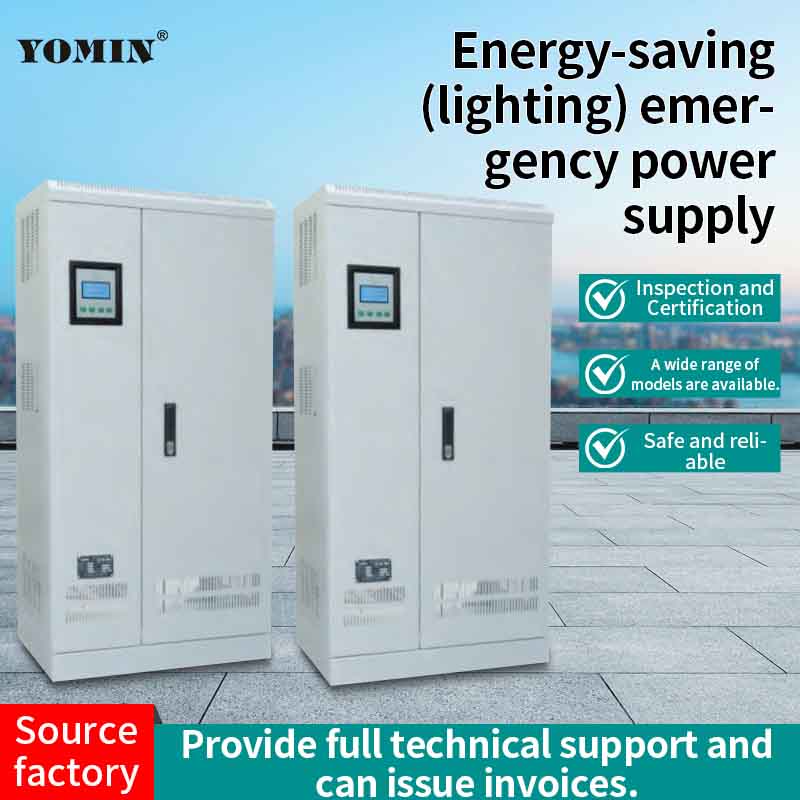
An EPS, sometimes called an emergency power supply cabinet, is a backup power system designed for emergency and life-safety loads such as emergency lighting, exit signs and fire-fighting equipment.
EPS systems use batteries and an inverter to supply power when the mains fails. Switching typically happens within seconds, which is acceptable for lighting and fire protection loads. They are widely specified for buildings under standards like GB 17945.
Yomin Electric manufactures EPS emergency power supply cabinets, including fire protection EPS units, energy-saving lighting EPS series and Type A centralized emergency lighting power supplies with lead-acid or LiFePO4 batteries.
What Is a UPS?
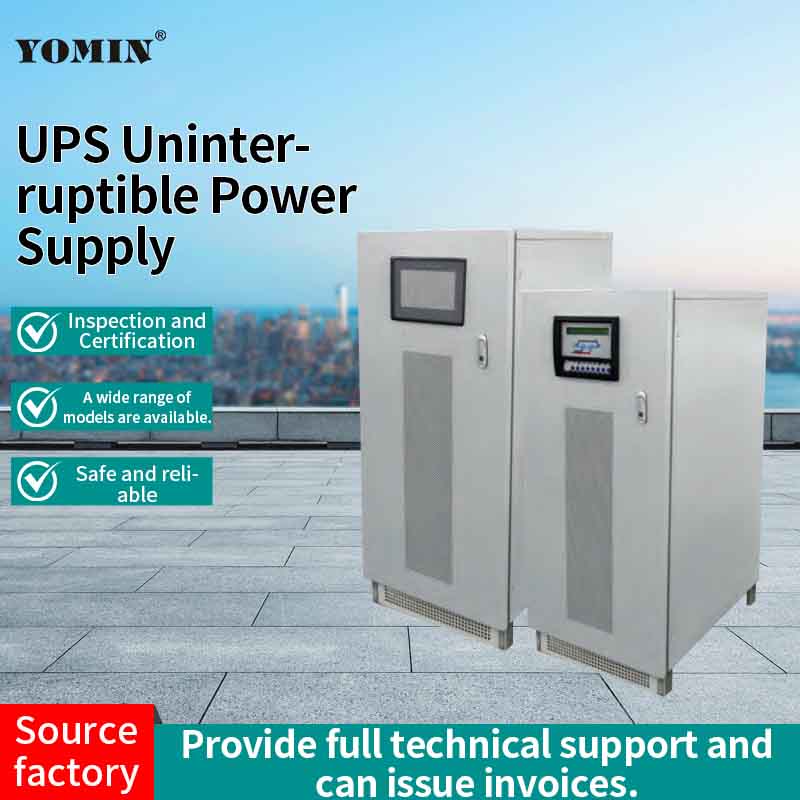
A UPS provides instant, seamless backup power to sensitive electronic equipment. Its key feature is zero transfer time: if the mains fails, the load continues without any interruption.
UPS systems protect computers, servers, medical equipment and industrial control systems, where even a few milliseconds without power can cause data loss or damage.
The trade-off is cost. UPS units are more expensive per kilowatt than EPS systems because of the continuous online conversion and instant switching electronics.
EPS vs UPS: Key Differences
| Feature | EPS | UPS |
|---|---|---|
| Switch time | Seconds | Instant (zero transfer) |
| Typical loads | Emergency lighting, exit signs, fire equipment | Servers, medical devices, control systems |
| Cost per kW | Lower | Higher |
| Battery duration | 60–120 minutes typical | 5–30 minutes typical |
| Best for | Life-safety and lighting loads | Sensitive electronic equipment |
There is some overlap: a UPS can power emergency lighting, and an EPS can support critical equipment that tolerates a short interruption. But each system is optimized for its own role.
Emergency Lighting and EPS Systems
For emergency lighting applications, an EPS-based centralized system is usually the right choice. It powers emergency lighting units throughout a building from a single cabinet, with batteries sized for the required operating duration.
Yomin Electric EPS cabinets are available with energy-saving lighting configurations, fire protection versions and Type A low-voltage centralized output. Controllers such as the KR-C series provide central monitoring and testing of the whole emergency lighting system.
When to Use EPS vs UPS
- Use an EPS for emergency lighting, exit signs, smoke extraction and fire-fighting loads where a brief transfer time is acceptable.
- Use a UPS for computers, servers, medical and industrial electronics that cannot tolerate any power interruption.
- Use both in large facilities: a UPS for critical electronics and an EPS for the building’s emergency lighting system.
Choosing the Right Emergency Power Supply
When selecting an EPS emergency power supply, consider these factors:
- Load type: lighting, fire protection, or mixed loads.
- Required duration: typically 60, 90 or 120 minutes.
- Output voltage: Type A low-voltage DC or standard AC output.
- Battery technology: lead-acid for economy, LiFePO4 for longer life.
- Monitoring: controllers with central status and testing features.
Frequently Asked Questions about EPS and UPS
What is the difference between EPS and UPS?
An EPS switches loads to battery power within seconds and is designed for emergency lighting and fire protection loads. A UPS switches instantly for sensitive equipment.
How long does an EPS emergency power supply last?
EPS systems are typically sized to provide power for 60 to 120 minutes, depending on the battery bank and the load.
Can a UPS be used for emergency lighting?
A UPS can power emergency lighting, but an EPS is usually the more economical and code-appropriate choice for fire emergency lighting applications.
What loads can an EPS support?
An EPS supports emergency lighting, exit signs, smoke extraction fans, fire-fighting equipment and other life-safety loads.
Conclusion and Key Takeaways
EPS and UPS serve different purposes. EPS systems protect life-safety loads like emergency lighting with economical, code-compliant backup power. UPS systems protect sensitive electronics with instant, seamless switching.
- EPS: seconds of transfer time, ideal for emergency lighting and fire loads.
- UPS: instant transfer, essential for sensitive electronics.
- Match the backup system to the load, not the other way around.
- For emergency lighting, a centralized EPS with controller is the professional choice.
Yomin Electric manufactures EPS emergency power supply cabinets, Type A centralized lighting supplies and UPS units for projects worldwide. Contact us to discuss your backup power requirements.
Need Help with Your Emergency Lighting Project?
Our team supplies reliable electrical switching and protection components for industrial and commercial projects.
Request a Quote →