kW vs kWh: What's the Difference and Why It Matters for Your Energy Bill
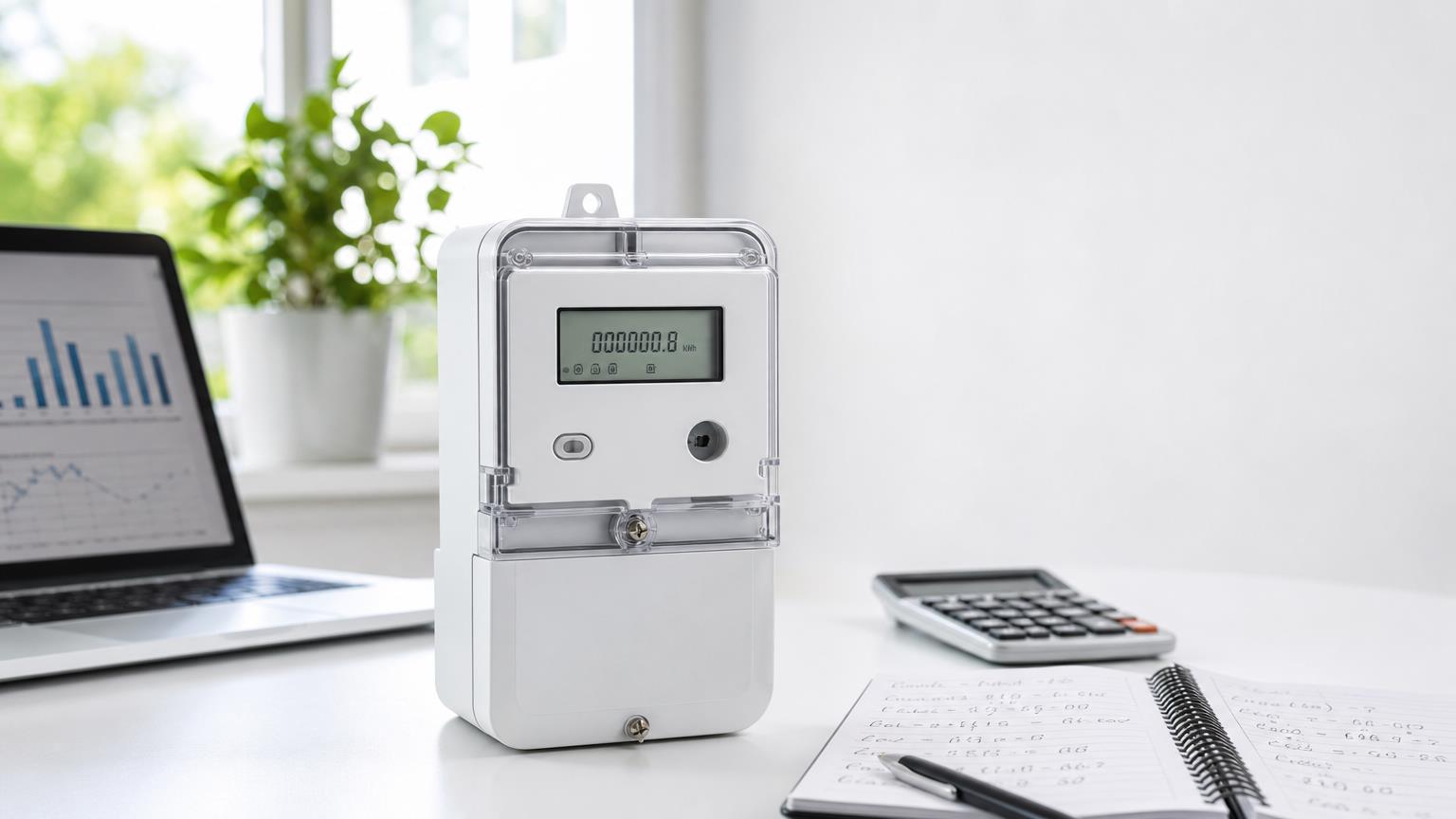
kW (kilowatt) measures power — the rate at which electricity is used at an instant. kWh (kilowatt-hour) measures energy — the total amount used over time. Your electricity bill charges you in kWh because billing is based on how much energy you consumed, not just how fast you used it. Confusing the two is one of the most common causes of energy misreading — and it directly affects how you size solar systems, batteries, and understand your meter readings.
What is a kilowatt (kW)?
A kilowatt is a unit of power: 1 kW = 1,000 watts. Power describes how fast energy is being used right now. A 2,000 W electric kettle draws 2 kW while it boils. A 10 kW solar array can generate up to 10 kW at any moment. If you read a meter's live display, you are seeing power in kW or W at that instant.
What is a kilowatt-hour (kWh)?
A kilowatt-hour is a unit of energy: the energy consumed when 1 kW of power runs for 1 hour. It is the standard unit on utility bills worldwide. Your electricity meter integrates power over time and accumulates the total in kWh, which is exactly what appears on your bill.
The key difference in one formula
| Concept | Unit | Question it answers | Example |
|---|---|---|---|
| Power | kW (kilowatt) | How fast? | A 2 kW kettle |
| Energy | kWh (kilowatt-hour) | How much in total? | 2 kW for 3 hours = 6 kWh |
| Conversion | — | — | kWh = kW × hours |
Think of a water tap: kW is the flow rate (litres per second), kWh is the total volume delivered (litres). The same tap running for different durations delivers different total volumes — the same way the same appliance run for different hours consumes different kWh.
Real examples
- Air conditioner: 1.5 kW unit running 8 hours → 12 kWh per day.
- EV charging: a 7 kW wall charger for 4 hours → 28 kWh, roughly 100–150 km of range depending on the vehicle.
- Solar panels: a 5 kWp array generating an average of 4 hours of full output per day → about 20 kWh per day.
- Battery storage: a 10 kWh home battery can supply 2 kW for 5 hours, or 1 kW for 10 hours.
Why your bill uses kWh
Utilities bill energy, not power, because energy is what you consume. Even if two customers have the same maximum draw (say 5 kW), the one who runs appliances for 10 hours uses twice the energy of the one who runs them for 5 hours. The meter records accumulated kWh, and the utility multiplies it by your tariff rate. Some commercial tariffs also add demand charges based on peak kW — which is why monitoring both values matters.
To track your own consumption accurately, an energy meter with a kWh register is the right instrument. For live load and demand analysis, a power meter or analyzer shows the kW side in real time.
Common mistakes to avoid
- "I used 5 kW this month" — you mean kWh. kW is an instant rate, not a monthly total.
- Sizing a battery by kW alone — battery capacity is kWh; inverter size is kW. Both are needed.
- Comparing solar kWp with consumption kWh — convert first: daily kWh ÷ sun hours ≈ kWp needed.
FAQ
What is the difference between kW and kWh?
kW (kilowatt) is a unit of power — the rate at which energy is used at a moment in time. kWh (kilowatt-hour) is a unit of energy — the total amount consumed over time. A 2 kW appliance running for 3 hours consumes 6 kWh.
How do I convert kW to kWh?
Multiply power in kW by time in hours: kWh = kW × hours. For example, a 1.5 kW air conditioner running 8 hours uses 1.5 × 8 = 12 kWh.
Why is my electricity bill charged in kWh and not kW?
Billing is based on total energy consumed over the billing period, which is energy in kWh. Your electricity meter integrates power over time and records accumulated kilowatt-hours.
What does kWp mean on solar panels?
kWp (kilowatt-peak) is the maximum power a solar array can produce under standard test conditions. It is a capacity rating, while the energy it actually generates is measured in kWh over time.
Final Thoughts
Master the kW/kWh distinction and you will read your bill, size your solar and battery systems, and audit your appliances with confidence. Yomin Electric’s energy meter range records kWh accurately for billing and monitoring, and our power analyzers add live kW and power-factor measurement for deeper insight.
Related reading: Understanding kWh: What You Are Actually Paying For and How to Read Your Electricity Bill.
Need Help Choosing the Right Product?
Our engineers can recommend the exact model, rating and configuration for your project. Tell us your requirements and get a factory-direct quote within 24 hours.