Understanding the Basics of AC Contactors

Alternating current contactors are vital in modern electrical systems. They control power circuits with precision and reliability.
These devices are essential for managing large electrical loads. They ensure safe and efficient operation in various applications.
From industrial machinery to HVAC systems, AC contactors play a crucial role. They are the backbone of electrical switching in many settings.
Understanding AC contactors is important for anyone involved in electrical engineering. This includes engineers, technicians, and students alike.
AC contactors consist of several key components. These include the coil, contacts, and enclosure. Each part has a specific function in the operation.
The operation of an AC contactor is straightforward. Energizing the coil creates a magnetic field, closing the contacts.
This guide will explore the basics of AC contactors. We will cover their types, applications, and importance in electrical systems.
By the end, you will have a solid understanding of these essential devices.

What is an AC Contactor?
An AC contactor is a type of electrically-controlled switch. It’s specifically designed for operating power circuits efficiently. They are key for controlling electrical systems in both industrial and commercial settings.
The main function of an AC contactor is to regulate the flow of electricity in large power circuits. These circuits often handle significant electrical loads. This regulation is vital for the safe and effective operation of electrical systems.
AC contactors operate by employing a coil that, when energized, creates a magnetic field. This field enables the movement of the contacts within the device. Thus, it facilitates the opening and closing of the electrical circuit as needed.
AC contactors differ from relays in their load-handling capacity. While relays are more suited for low-power applications, contactors are intended for handling higher currents. This makes them indispensable in many industrial applications.
In summary, an AC contactor serves several purposes:
- Controlling large power circuits
- Ensuring the safe operation of electrical systems
- Facilitating electrical switching in industrial settings
The understanding of AC contactors is crucial for anyone involved in managing electrical loads effectively.
Key Components of an AC Contactor
AC contactors are crucial components in many electrical systems. Understanding their parts is essential. These components work together to control power efficiently.
The primary components of an AC contactor include the coil, contacts, and enclosure. These elements perform distinct yet interrelated functions. Each part plays a significant role in the contactor’s operation.
Coil: The coil is the heart of the contactor. When energized, it generates a magnetic field. This magnetic field enables the opening or closing of contacts, thus regulating current flow.
Contacts: Contacts are the connection points within the contactor. They carry the load current when the circuit is closed. Materials used for contacts are chosen for durability and conductivity.
Enclosure: The enclosure protects the internal components from external damage. It also provides insulation and safety from electrical shock. Enclosures can be made from various materials, including metal and plastic.
In addition to these primary components, AC contactors often include auxiliary contacts. These additional contacts allow for control or indication functions. They enhance the versatility and application scope of the contactor.
Other important parts might include a mounting plate and arc suppressors. Arc suppressors protect the contacts from damage due to arcing. Proper selection of these components can extend the contactor’s lifespan.
To summarize, the key components of an AC contactor are:
- Coil
- Main contacts
- Enclosure
- Auxiliary contacts
- Mounting plate
- Arc suppressors
Knowing these components helps in both troubleshooting and maintenance. Proper understanding enhances system reliability and performance.
How Does an AC Contactor Work?
An AC contactor operates through a straightforward process. Its main job is to control and switch electrical circuits.
The process begins with the energizing of the coil. When current flows through the coil, it generates a magnetic field. This magnetic field is crucial for the functioning of the contactor.
The magnetic field attracts the armature. The movement of the armature is a pivotal step in the contactor’s operation. As the armature moves, it pulls the contacts together.
When the contacts close, the circuit is completed. This allows the electrical current to flow, powering the connected device or system. The main contacts handle the heavy current load.
Releasing the coil current reverses the process. The magnetic field collapses, and the armature returns to its original position. This opens the contacts and interrupts the current flow.
Safety features are integral to this process. Many contactors include arc suppression to protect the contacts. This helps to minimize wear and prolongs the service life.
In summary, the steps involved in an AC contactor’s operation are as follows:
- Energizing the coil produces a magnetic field.
- The magnetic field draws the armature.
- The armature movement closes the contacts.
- Circuit completion allows current flow.
- De-energizing opens the contacts, halting current.
Understanding this operation helps in identifying possible issues. It also provides insight into how to properly maintain the system.

by miftachul mufin (https://unsplash.com/@singaberanti)
Types of AC Contactors
AC contactors come in a variety of types, each suited for specific applications. Their distinctions lie in their capacity and design features.
One common type is the magnetic contactor. It uses electromagnetic force to manage the circuit. This type is favored for large machinery.
The mechanical latch contactor is another variant. It utilizes a mechanical force to keep the contacts closed. This is useful for sustained operations without continuous power.
There’s also the vacuum contactor. It employs a vacuum to extinguish arcs when switching. This type is favored in environments where minimizing arc damage is critical.
Lastly, the capacitor contactor handles applications involving capacitive loads. This helps in managing reactive power and improving power factor.
To summarize, AC contactors include:
- Magnetic Contactor: Uses electromagnetic force.
- Mechanical Latch Contactor: Utilizes mechanical holding.
- Vacuum Contactor: Deploys vacuum for arc prevention.
- Capacitor Contactor: Manages capacitive loads.
Each type serves different needs in industrial and commercial settings. Selecting the right type ensures efficient and safe operation in its intended application.

by Brecht Corbeel (https://unsplash.com/@brechtcorbeel)
AC Contactor vs. DC Contactor: Main Differences
AC and DC contactors serve similar purposes but differ in key ways. Understanding these distinctions helps in choosing the right component for specific applications.
The primary difference lies in their operating current. AC contactors are designed for alternating current systems, which frequently change direction. In contrast, DC contactors handle direct current, which flows in a single direction.
Another difference is arc suppression. DC circuits produce continuous arcs, requiring robust suppression measures in DC contactors. AC contactors face less severe arcing due to the current’s natural zero crossing.
Coil design also varies between the two. AC contactors use coils tailored for alternating current, whereas DC contactors employ coils optimized for steady direct current flow.
Finally, application areas differ. AC contactors are common in motor control and lighting systems due to their capacity to handle varying loads. DC contactors find use in battery systems and photovoltaic setups.
Key differences between AC and DC contactors include:
- Operating Current: AC for alternating; DC for direct.
- Arc Suppression: DC requires more suppression.
- Coil Design: Different coil materials and builds.
- Applications: AC for variable loads; DC for steady flows.
Grasping these differences ensures proper contactor selection and efficient system design.

by Jason Leung (https://unsplash.com/@ninjason)
Applications of AC Contactors
AC contactors play a critical role in various industries by enabling electrical switching of large loads. Their versatility and reliability make them indispensable in many systems.
One of the primary applications is motor control. In factories, AC contactors start and stop motors safely, enabling smooth operations and reducing wear. They handle high current loads typical of industrial motors.
HVAC systems also rely heavily on AC contactors. They manage the operation of compressors and fan units, ensuring efficient climate control. This role is vital in both residential and commercial settings.
Another application is in lighting circuits. AC contactors allow for the control of extensive lighting networks from a single point, enhancing convenience and energy efficiency.
Additionally, AC contactors find use in renewable energy systems. They help manage the power distribution from solar panels or wind turbines to the grid, ensuring stable operation.
In summary, key applications of AC contactors include:
- Motor control: Ensures safe operation of industrial motors.
- HVAC systems: Manages critical components for climate control.
- Lighting circuits: Centralizes control and boosts efficiency.
- Renewable energy: Facilitates stable power distribution.
Understanding these applications highlights the pivotal role AC contactors play in modern electrical systems.

by Google DeepMind (https://unsplash.com/@googledeepmind)
Power Contactor, Electrical Contactor, and Contactor Relay: Understanding the Terms
Understanding different types of contactors can be tricky. Each has its unique role in electrical systems.
A power contactor is designed to switch high-current loads. It is commonly used in industrial settings to control heavy machinery and large motors. These contactors are built to withstand high power, enabling efficient management of robust systems.
An electrical contactor serves a broader purpose, handling varying electrical loads. They are essential for managing both domestic and industrial circuits. Their versatility makes them a popular choice for diverse applications.
A contactor relay differs slightly, focusing on control signals. It’s used to activate larger contactors in complex systems, offering precision control.
In summary, here are the key distinctions:
- Power contactor: Switches high-current, ideal for industrial loads.
- Electrical contactor: Versatile, used for various load management.
- Contactor relay: Controls signals, managing larger systems.
Recognizing these differences helps in selecting the appropriate device for specific applications.

by Mathieu Improvisato (https://unsplash.com/@matoovisato)
AC Relay Switches and Industrial Contactors
AC relay switches play a crucial role in electrical circuits. They are similar to contactors but used for lower power applications. These switches allow low-voltage signals to control high-voltage circuits without direct interaction.
Industrial contactors, on the other hand, are designed for heavy-duty operations. They are built to withstand harsh conditions and frequent use. This makes them indispensable in manufacturing plants and large-scale facilities.
AC relay switches and industrial contactors both offer essential functions. While they operate in different arenas, they share a common goal: efficient and safe electrical switching. Choosing between them depends on the specific needs and requirements of your application.
To help differentiate:
- AC Relay Switches: Lower power, controls high-voltage circuits indirectly.
- Industrial Contactors: High durability, handles heavy-duty loads.
- Applications: Vary from small circuits to large industrial machines.
Understanding their applications aids in choosing the right equipment. Their operation is a key component in modern electrical systems.

by David Underland (https://unsplash.com/@david_underland)
Selection Criteria: How to Choose the Right AC Contactor
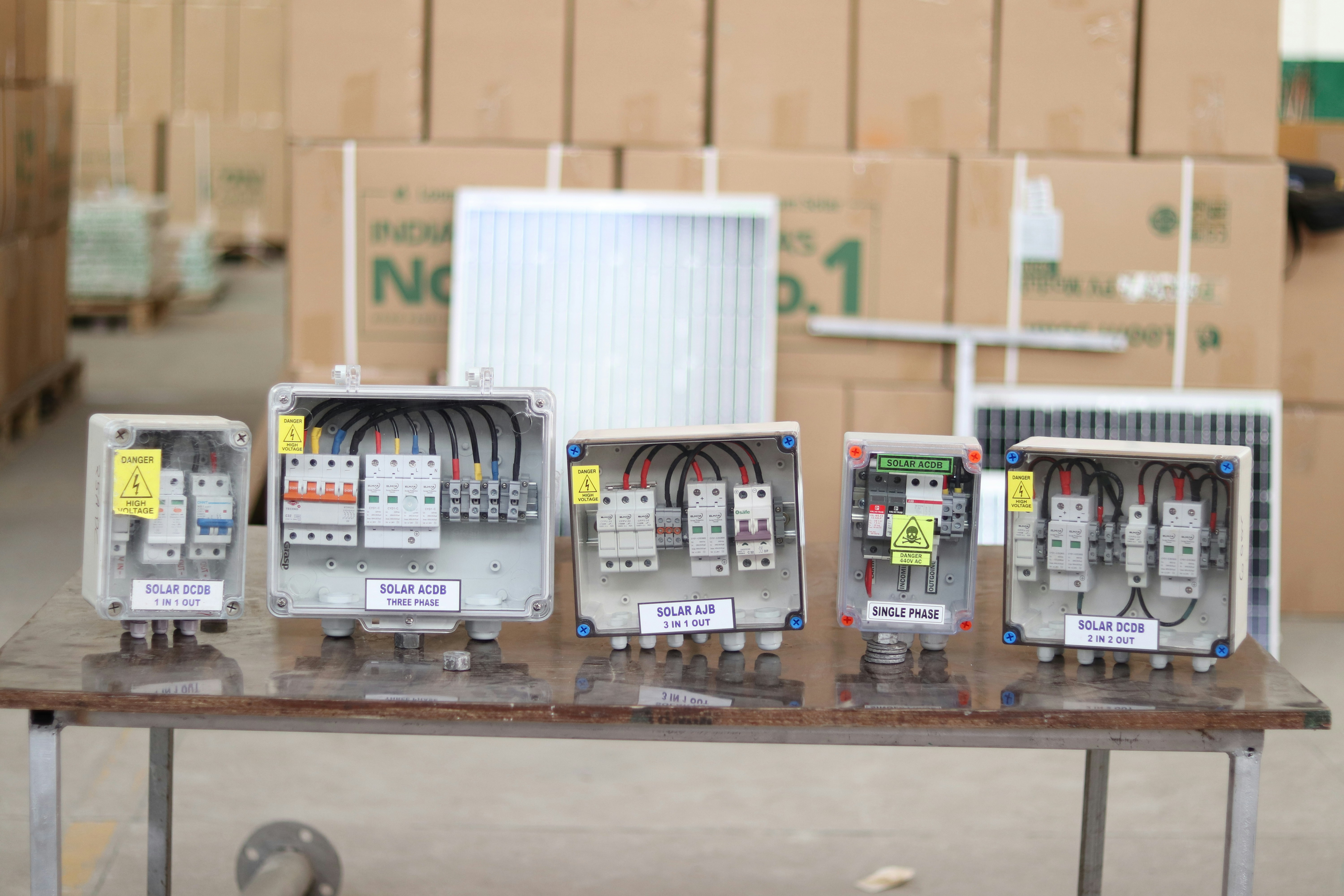
Selecting the correct AC contactor is essential for the efficiency and safety of your electrical system. The choice begins with understanding the specific requirements of your application.
First, consider the voltage and current ratings. The contactor must handle the maximum load without risk of overheating or failure. Verify that these ratings align with the operational demands of your system.
Next, evaluate the environmental conditions where the contactor will be used. High temperatures, dust, and moisture can impact performance. Choose a contactor that is designed for such environments if necessary.
The coil voltage rating is another critical factor. Ensure it matches the control circuit voltage to prevent malfunction. Additionally, understanding the duty cycle helps in deciding the contactor’s durability under frequent operations.
Key Factors to Consider:
- Voltage and Current Ratings: Match with system requirements
- Environmental Conditions: Suitability for harsh environments
- Coil Voltage Rating: Compatibility with control voltage
- Duty Cycle: Expected frequency of operation
- Size and Configuration: Fit for your system design
Lastly, consider the contactor’s size and configuration. It must fit within existing panel space and be compatible with current system layouts.
Making informed decisions helps mitigate risks and ensures smooth operation.
by Loom Solar (https://unsplash.com/@nishachanda)
Installation and Wiring of AC Contactors
Proper installation of AC contactors is crucial for system functionality and safety. A well-executed setup prevents premature failure and ensures efficient operation.
Before installation, review the manufacturer’s instructions. Each contactor may have unique requirements based on design and application. It’s essential to follow these guidelines closely to avoid errors.
The next step involves the wiring process. Ensure that all connections are secure and match the designated terminals. Loose connections can lead to overheating or erratic operations, posing safety risks.
Installation Steps:
- Review Instructions: Follow manufacturer guidelines.
- Secure Mounting: Fix the contactor firmly in place.
- Wire Connections: Match terminals accurately.
- Check for Tightness: Ensure all screws and clamps are secure.
- Test Operation: Verify functionality post-installation.
Testing the system after installation is imperative. This helps confirm that all components function correctly and no errors have been introduced during the process.
Proper installation practices safeguard against faults and enhance the durability of AC contactors.

by Troy Bridges (https://unsplash.com/@esptroy)
Maintenance and Troubleshooting of AC Contactors
Regular maintenance of AC contactors is vital to ensure reliable and efficient operation. Proper care extends their lifespan significantly and prevents unexpected failures.
An essential part of maintenance involves inspecting the contacts for wear and tear. Over time, contacts can become pitted or burned due to arcing, which can impair performance. Cleaning or replacing these contacts as needed will maintain optimal functionality.
Common Maintenance Tasks:
- Contact Inspection: Check for pitting and wear.
- Coil Check: Test for consistency in performance.
- Tightening Connections: Ensure all connections remain secure.
- System Testing: Periodic checks on system operation.
Troubleshooting requires understanding common issues, such as contact sticking or coil failure. These can disrupt electrical switching. Identifying symptoms early can prevent extensive system damage.
If issues arise, it’s crucial to follow a systematic approach. Start by isolating the problem to specific components, and replace faulty parts with high-quality replacements.
Effective maintenance and troubleshooting not only enhance the reliability of AC contactors but also ensure safety in their operation.

by colsan ltda (https://unsplash.com/@plataformacolsan)
Safety Features and Best Practices
Safety is paramount when dealing with AC contactors. These devices are often used in environments where failure can have significant consequences. Manufacturers include several safety features to mitigate risks and enhance protection.
One critical safety feature is arc suppression. It helps in minimizing the risk of electrical arcing, which can be hazardous if uncontrolled. Integrated overload protection prevents the contactor from operating under unsafe conditions, thereby averting potential damage.
Best Practices for AC Contactor Safety:
- Regular Inspections: Perform routine checks on contactor components.
- Adequate Training: Ensure personnel are properly trained in operation and maintenance.
- Proper Installation: Adhere to manufacturer guidelines during installation for safe operation.
- Use of Protective Gear: Always wear appropriate personal protective equipment.
Implementing these best practices not only enhances safety but also improves the lifespan and performance of AC contactors. Awareness and adherence to safe handling procedures protect both personnel and equipment.

by Raze Solar (https://unsplash.com/@razesolar)
Innovations and Trends in AC Contactor Technology
The field of AC contactor technology is evolving with the advent of new materials and design improvements. Innovations enhance performance, reliability, and usability. Manufacturers are focused on making contactors smarter and more efficient.
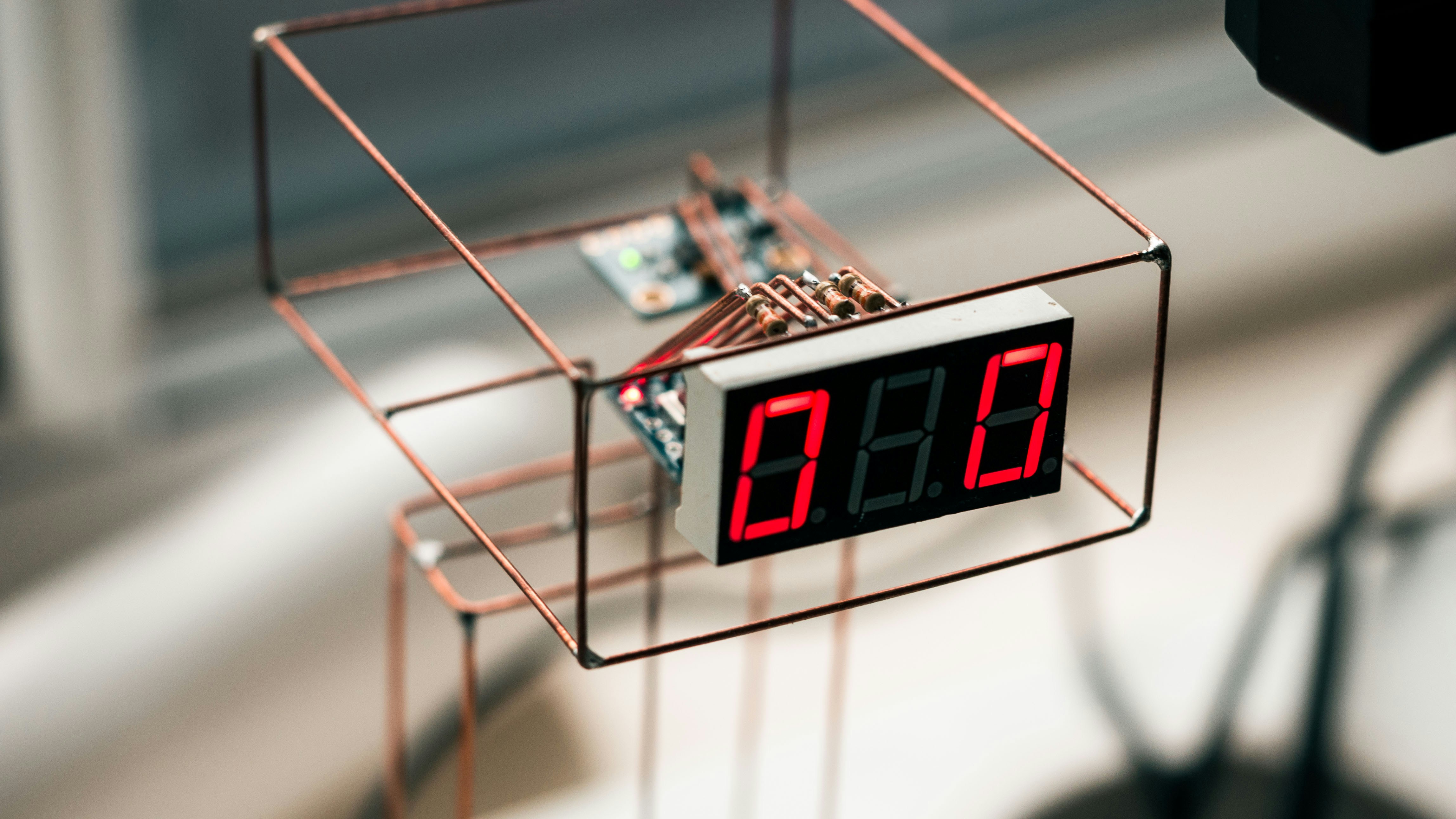
One key trend is the integration of digital monitoring capabilities. This allows for real-time data collection and analysis, providing insights into system operations. Such advancements help in predictive maintenance, reducing downtime and extending equipment life.
Emerging Trends in AC Contactors:
- Smart Contactors: Equipped with sensors for advanced monitoring.
- Energy Efficiency: Designs to optimize power usage and reduce losses.
- Compact Designs: Miniaturization for easier installation and better space management.
These developments reflect a shift towards more intelligent and sustainable electrical systems. Continual innovation ensures that AC contactors meet the increasing demands of modern technology and industrial applications.
by Harrison Broadbent (https://unsplash.com/@harrisonbroadbent)
Frequently Asked Questions about AC Contactors
What is the purpose of an AC contactor?
An AC contactor is designed to switch electrical circuits on and off. It is used in systems requiring power control.
How is an AC contactor different from a relay?
The main difference is the load capacity. Contactors are built to handle larger currents than relays.
Why are AC contactors preferred in industrial applications?
They are robust and capable of frequent operations. These characteristics make them ideal for industrial machinery and equipment.
Can AC contactors be used for DC circuits?
While primarily for AC, some contactors can handle DC circuits. However, it depends on the design and specifications.
What maintenance do AC contactors require?
Regular inspection and cleaning ensure proper functioning. It’s essential to check for wear and tear on contacts and coils.
Common Questions:
- Are contactors energy-efficient? Yes, particularly modern designs with minimal power loss.
- Do contactors produce noise? Some noise is normal due to mechanical action, but should not be excessive.
Understanding these basics ensures the effective use and maintenance of AC contactors in various applications.
Conclusion and Key Takeaways
AC contactors play a crucial role in electrical systems. Their ability to handle high currents makes them invaluable in various applications. Understanding their operation helps in effective maintenance and installation.
Choosing the right contactor ensures system efficiency and safety. Consider factors like current ratings, environmental conditions, and application needs. Proper selection leads to longer contactor lifespan and less downtime.
Advancements in contactor technology offer improved monitoring and control. Modern contactors incorporate smart features, enhancing system integration with automation systems.
To summarize, AC contactors are indispensable in managing electrical loads. Here are some key takeaways:
- AC contactors control high-power circuits efficiently.
- Careful selection based on system needs is vital.
- Regular maintenance prevents common operational issues.
- Innovations provide better monitoring and energy management.
By following best practices and keeping abreast of technological trends, you can maximize the benefits of AC contactors in your applications.
Need Help Choosing Electrical Components?
Our team supplies reliable electrical switching and protection components for industrial and commercial projects.
Request a Quote →