What Does MID Certification Actually Mean?
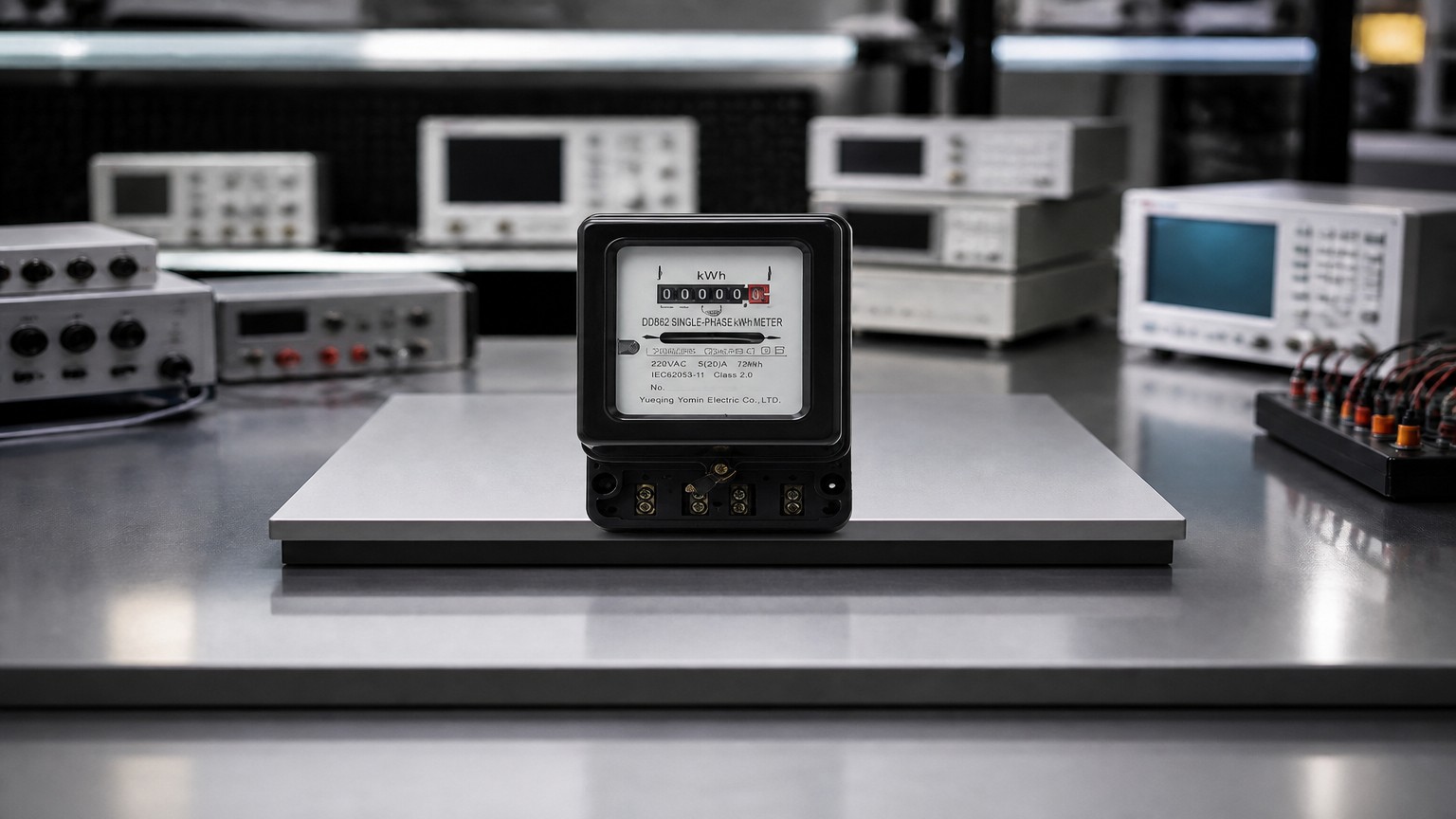
MID stands for the Measuring Instruments Directive (2014/32/EU), a European Union regulation that defines the legal and technical requirements for measuring instruments used in trade, billing, and fiscal applications. When you see “MID certified” on an energy meter, it means the meter has passed conformity assessment under the directive and can legally be used for billing electricity in EU member states.
What MID certification actually covers
MID certification verifies that a meter meets the essential requirements set by the directive: accuracy, durability, immunity to disturbance, tamper resistance, and correct indication of measurement. For electricity meters, the accuracy classes are usually class A, B, or C, corresponding to IEC 62053 accuracy levels.
- Class A — basic accuracy, typical for residential billing (≈ class 2).
- Class B — improved accuracy (≈ class 1), common for commercial use.
- Class C — highest accuracy (≈ class 0.5), for industrial and critical metering.
How a meter becomes MID certified
Manufacturers must follow a conformity assessment procedure with a notified body, most commonly Module B (type examination) plus Module D (production quality assurance). The type test confirms the design meets the requirements; the production module confirms that every meter leaving the factory matches the approved type. Once approved, the meter carries the CE marking, the MID metrology marking, and the notified body’s identification number.
Why MID energy meters are essential for accurate billing
In the EU, meters used for billing electricity to consumers and businesses must be MID approved. Without MID certification, readings may not be accepted as the legal basis for an invoice, and utilities risk regulatory penalties. For installers and businesses, using MID-certified meters protects both the customer and the operator.
Where MID meters are required
- Residential billing meters installed by utilities.
- Submeters used to bill tenants or units in commercial buildings.
- EV charging stations that bill for energy delivered.
- Solar and energy storage systems with feed-in or export metering.
FAQ
Is MID certification the same as CE marking?
No. CE marking is broader; MID adds metrological (accuracy) requirements and notified-body assessment for measuring instruments used in trade.
Can a non-MID meter be used for billing?
In EU member states, no — trade and billing metering must use MID-approved instruments.
Does MID cover only Europe?
MID applies to the EU/EEA, but many markets accept MID certification as evidence of high metering quality.
Final Thoughts
MID certification is proof that a meter is accurate, reliable, and legally usable for billing. Yomin Electric’s MID-certified energy meters cover single-phase and three-phase applications for utilities, property managers, and EV charging operators.
Need Help Choosing the Right Product?
Our engineers can recommend the exact model, rating and configuration for your project. Tell us your requirements and get a factory-direct quote within 24 hours.