What Is the Difference Between a Prepaid Meter and a Postpaid Meter
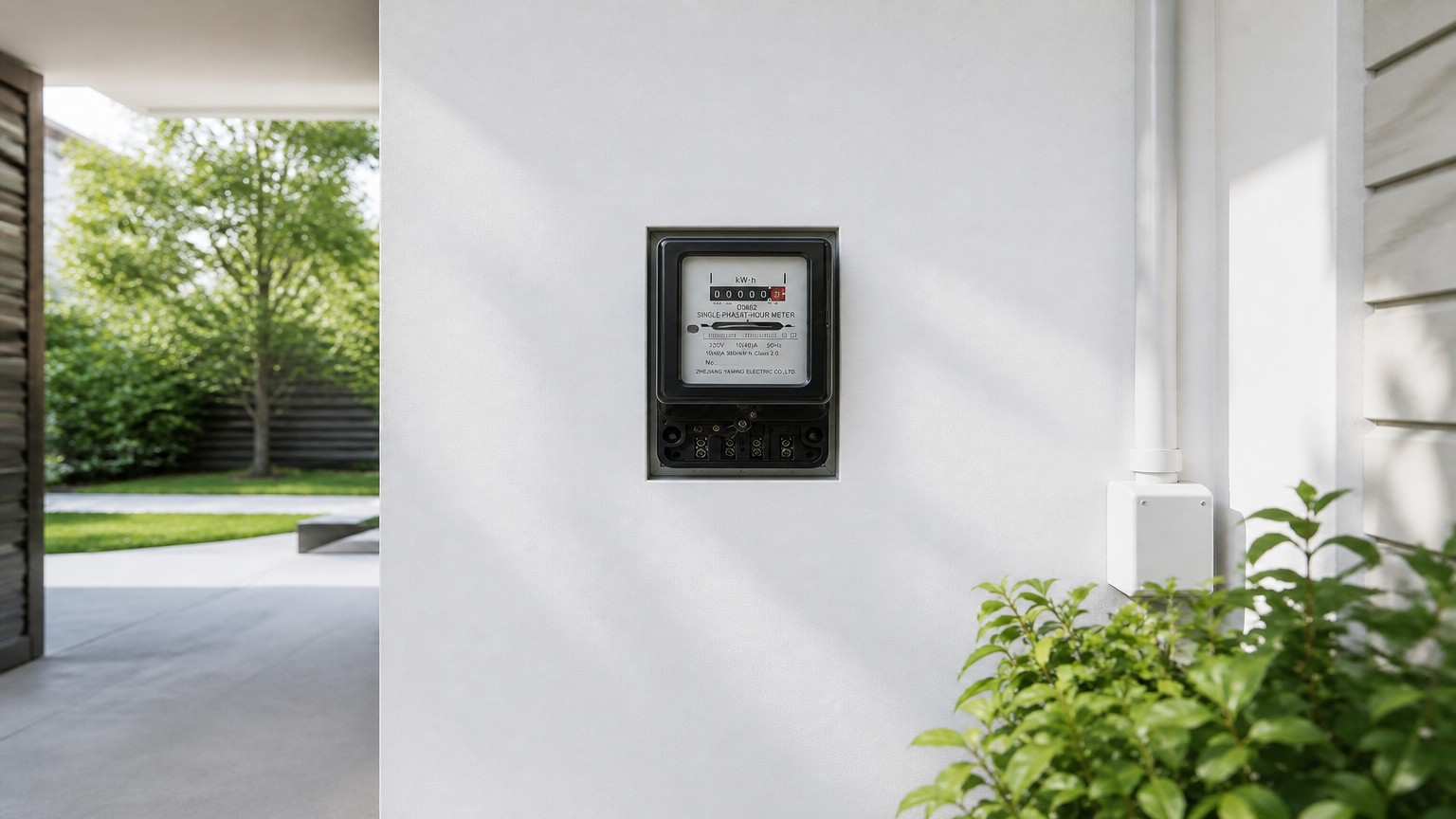
Electricity meters come in many forms, but one of the most important differences for customers and property owners is the billing model: a prepaid meter requires payment before consumption, while a postpaid meter measures first and bills later. Understanding the difference between a prepaid meter and a postpaid meter helps you choose the right solution for rental units, homes, businesses, and utility projects.
What is a postpaid meter?
A postpaid meter records electricity consumption continuously, and the customer pays after the usage period based on a monthly or bi-monthly bill. The utility or property manager reads the meter — manually or remotely — calculates the consumption in kWh, applies the tariff, and issues an invoice.
Postpaid metering works well when payment discipline is strong and billing infrastructure exists. However, it requires meter reading, invoicing, and collection, and unpaid bills remain a risk for landlords and utilities.
What is a prepaid meter?
A prepaid meter works like a phone top-up: the user buys credit in advance, and the meter deducts the cost of consumed kWh from the balance. When credit runs low, the meter warns the user; at zero, supply is interrupted until the next recharge. Credit can be loaded with tokens, keypad codes, cards, or remote systems.
Prepaid meters are the standard choice for landlords, hostels, markets, and utilities that want to eliminate arrears and simplify billing.
Key differences at a glance
| Feature | Prepaid meter | Postpaid meter |
|---|---|---|
| Payment timing | Pay first, use later | Use first, pay later |
| Billing | Automatic balance deduction | Monthly bill from readings |
| Meter reading | Not required for billing | Required (manual or remote) |
| Arrears risk | Very low | Possible unpaid bills |
| User awareness | High — balance always visible | Lower until the bill arrives |
| Best for | Rentals, prepaid projects, utilities | Stable residential and commercial supply |
How prepaid meters work with tokens
Most prepaid meters use Standard Transfer Specification (STS) tokens: the user buys a voucher, enters a 20-digit code, and the meter credits the balance. STS ensures the token can only be used once and on the intended meter. Remote prepaid systems add communication so the operator can top up, read, and disconnect meters from a platform.
Which one should you choose?
- Choose prepaid to protect revenue — rental properties, dormitories, markets, and projects with credit-risk customers.
- Choose postpaid when the customer base is stable and billing systems already exist.
- Many modern meters support both — a smart meter can run prepaid or postpaid modes, so you can switch later.
Yomin Electric’s prepaid and smart energy meters support STS tokens, remote recharge, and DIN-rail installation for residential and commercial projects.
FAQ
Can a postpaid meter be converted to prepaid?
Usually no — prepaid requires a meter with a credit-control function. Upgrading to a smart prepaid meter is the practical path.
Do prepaid meters cost more per kWh?
The tariff is set by the operator, not the meter. Prepaid changes when you pay, not what you pay per unit.
What happens if a prepaid meter runs out of credit at night?
Many systems offer emergency credit or protected hours so users can recharge without a long outage.
Final Thoughts
The difference between a prepaid meter and a postpaid meter is the difference between payment discipline and billing convenience. For landlords and utilities, prepaid removes arrears; for stable customers, postpaid is familiar and simple. A smart meter can give you both — ask Yomin Electric’s engineers which configuration fits your project.
Need Help Choosing the Right Product?
Our engineers can recommend the exact model, rating and configuration for your project. Tell us your requirements and get a factory-direct quote within 24 hours.