What Is the Difference Between a Prepaid Meter and a Smart Meter?
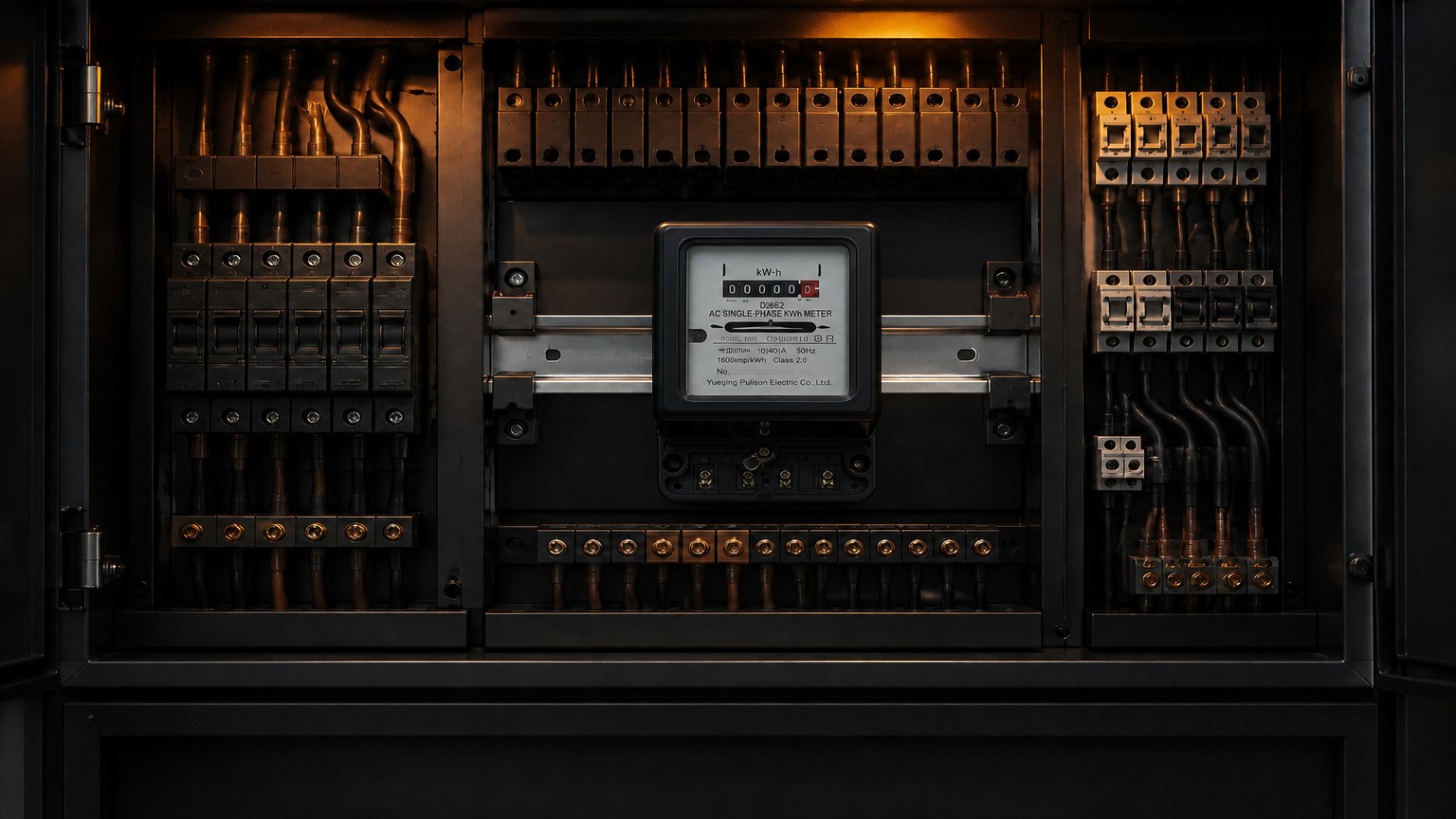
Prepaid meters and smart meters are two of the most common metering technologies in modern energy management, but they answer different problems. A prepaid meter focuses on payment in advance: the user buys credit and the meter deducts it as electricity is consumed. A smart meter focuses on communication and data: it records detailed consumption and sends it to the utility or property manager automatically. Many modern products combine both, which is why the question “what is the difference between a prepaid meter and a smart meter” deserves a clear answer.
What is a prepaid meter?
A prepaid electricity meter requires the user to purchase credit before using electricity. Credit is loaded through a token, a keypad code, a card, or a remote system, and the meter subtracts consumption from the balance. When credit runs low, the meter warns the user; when it reaches zero, supply is interrupted until the next top-up.
Prepaid metering is widely used by landlords, property managers, utility operators, and rental environments because it eliminates unpaid bills and simplifies billing. Every user pays for exactly what they consume, and there is no monthly invoicing cycle to chase.
What is a smart meter?
A smart energy meter measures electricity consumption and communicates the data automatically. It records interval data, supports remote reading, and often includes features such as remote disconnect, tamper detection, multi-tariff support, and integration with management platforms or mobile apps.
Smart meters are used by utilities, commercial facilities, EV charging operators, solar owners, and property managers who need visibility and control rather than just a monthly reading.
Key differences at a glance
| Feature | Prepaid meter | Smart meter |
|---|---|---|
| Core purpose | Pay-before-use billing | Data capture and communication |
| Payment model | Credit balance deducted per kWh | Usually postpaid; can support prepaid |
| Communication | Token or card based (often offline) | Remote reading (RS485, LoRa, Wi-Fi, cellular) |
| Remote control | Limited to disconnect at zero credit | Remote disconnect, reconnection, alerts |
| Best for | Rentals, landlord billing, low-credit environments | Utilities, commercial sites, solar and EV metering |
| Combined products | Many modern meters are smart prepaid meters, combining both | |
Smart prepaid meters: the best of both worlds
The most practical choice for many projects is a smart prepaid meter. It keeps the pay-before-use model that protects revenue, and adds remote top-up, remote reading, low-balance alerts, and data reporting. Property managers can monitor all units from one platform instead of walking to every meter.
Yomin Electric’s prepaid and smart energy meters support token and remote recharge options, DIN-rail mounting, RS485/MODBUS or wireless communication, and are built for residential, commercial, and utility applications.
Which one should you choose?
- Choose prepaid if your main goal is eliminating unpaid bills — rental units, apartments, hostels, markets.
- Choose smart if your main goal is visibility — utilities, factories, solar monitoring, EV chargers.
- Choose smart prepaid if you need both payment discipline and remote management.
Both types rely on accurate measurement, so pair them with quality protection: see the circuit protection range to keep metering panels safe.
FAQ
Can a smart meter work as a prepaid meter?
Yes. Smart prepaid meters combine remote communication with a credit balance, so the utility or manager can top up, read, and disconnect remotely.
Is a prepaid meter cheaper than a smart meter?
Basic prepaid meters are usually less expensive, but smart prepaid models cost more and save money through lower management effort over time.
Do prepaid meters need the internet?
Not necessarily. Token-based prepaid meters work offline; smart prepaid meters use communication for remote features but continue metering without it.
Final Thoughts
The difference between a prepaid meter and a smart meter is the difference between a payment system and a data system. For landlords, prepaid prevents losses; for utilities and businesses, smart data improves decisions. When both are combined in one device, you get payment security and operational visibility at the same time. Talk to Yomin Electric’s engineers to match the right meter to your project.
Need Help Choosing the Right Product?
Our engineers can recommend the exact model, rating and configuration for your project. Tell us your requirements and get a factory-direct quote within 24 hours.