What Is Submetering? A Practical Guide for Landlords and Property Managers
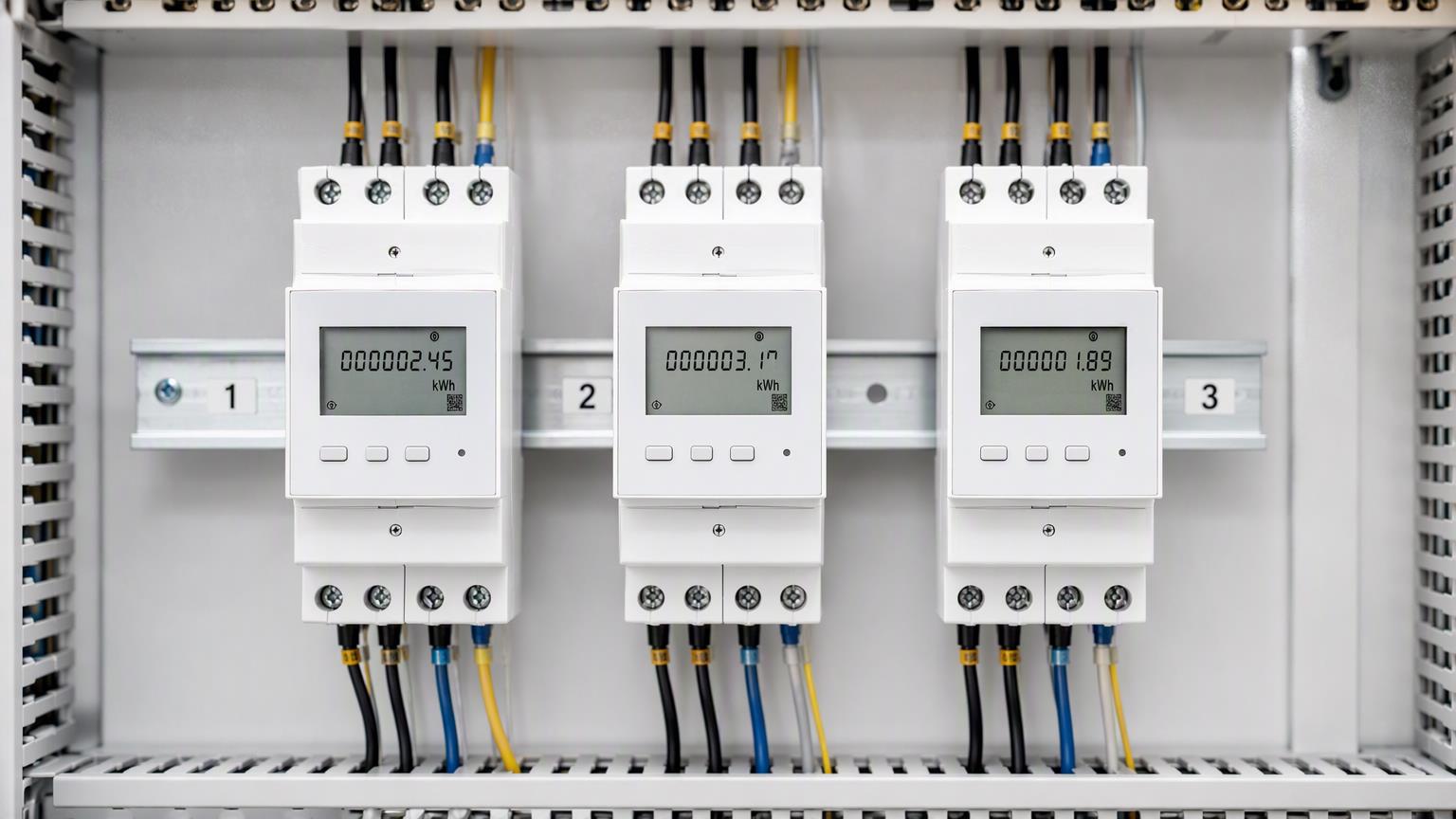
Submetering is the practice of installing individual meters behind a single master utility meter, so that each tenant, unit, or zone is measured separately. Instead of dividing one building-wide bill by square footage, you bill each tenant for exactly what they consume. For landlords and facility managers, submetering turns a cost centre into a transparent, fair, and often money-saving system.
How submetering works
The building has one utility meter at the service entrance (the master meter). Behind it, a row of submeters — typically DIN-rail or panel kWh meters — is installed on the feeders serving each unit. Each submeter accumulates the energy consumed by its circuit:
- Utility bill arrives for the whole building (master meter).
- Read each tenant’s submeter — manually, via pulse output, or automatically over RS485/Modbus.
- Bill each tenant their exact kWh at the applicable rate; the difference between the master total and the sum of submeters is common-area usage (hallways, lifts, pumps).
Common submetering covers electricity, water, gas, and heating — electricity being the most common retrofit because meters are compact, DIN-rail mountable, and easy to add to existing distribution boards.
Benefits for landlords
- Fair billing: tenants pay for what they use, ending arguments over split bills.
- Conservation: utility programs and studies consistently report 5–20% consumption reductions after submetering — tenants change behaviour when they see their own usage.
- No more absorbing waste: with master metering, the landlord eats the cost of vacant units, leaks, and over-use. Submetering stops that leakage.
- Better property value: individually metered buildings are more attractive to investors and are required by regulation in some jurisdictions.
- Usage insight: with RS485-capable submeters you can monitor per-unit load, spot anomalies, and plan upgrades with real data.
Master metering vs submetering
| Aspect | Master metering | Submetering |
|---|---|---|
| Meters | One utility meter | One master + one per unit |
| Tenant billing | Split by area or estimate | Exact measured consumption |
| Conservation incentive | Low (invisible usage) | High (visible usage) |
| Landlord risk | Absorbs waste and vacancy | Limited to common areas |
| Installation cost | None (existing) | One-time meter + install |
Choosing submeters: what to look for
- Accuracy class: for billing, choose Class 1 or better, ideally certified to IEC 62053-21 or MID where local rules require it.
- Form factor: DIN-rail meters fit neatly into existing distribution boards — ideal for retrofits.
- Reading method: pulse output for simple counting, or RS485/Modbus for automatic collection and remote billing. If you manage multiple buildings, communication-enabled meters pay for themselves quickly.
- Prepaid option: for problem tenants or short lets, prepaid submeters let tenants top up in advance — no chasing unpaid bills.
- CT connection: for units with large loads, use meters that work with current transformers so the meter itself stays compact.
Legal and practical considerations
Rules for billing tenants on submeter readings vary by jurisdiction. Before rolling out:
- Check whether your utility or regulator requires approval, certified meters, or caps on the resale rate.
- Some regions require you to bill at the utility tariff (no markup); others allow a service fee.
- Keep calibration and reading records — disputes are far easier to resolve with verifiable data.
When in doubt, consult a local electrical contractor and the utility’s submetering policy. This article is general guidance, not legal advice.
FAQ
What is submetering in simple terms?
Submetering is installing individual meters behind a single master utility meter so that each tenant or unit is measured separately. Landlords can then bill tenants for their exact consumption instead of dividing the master bill.
Is submetering worth it for landlords?
Yes for most multi-tenant buildings. Studies and utility programs consistently report 5–20% consumption reductions after submetering, because tenants become aware of their usage, and the landlord stops absorbing unpaid usage.
What is the difference between submetering and master metering?
Master metering has one utility meter for the whole building, so the landlord pays one bill and must split costs. Submetering adds individual meters per unit behind the master meter, enabling accurate per-tenant billing.
Can a landlord legally charge tenants for submetered electricity?
In many jurisdictions yes, but rules vary: some regions require utility approval, regulated rate caps, or specific meter standards. Check local regulations and utility policy before billing tenants on submeter readings.
Final Thoughts
Submetering is one of the highest-ROI upgrades a multi-tenant building can make: fairer billing, 5–20% energy reduction, and no more hidden waste. The meters are compact, affordable, and available with prepaid or RS485 options to match how you want to run the building. Yomin Electric’s DIN-rail energy meter range covers Class 1 billing accuracy, prepaid versions, and Modbus communication for automated collection.
Related reading: Prepaid Metering for Landlords and What Is a Prepaid Meter.
Need Help Choosing the Right Product?
Our engineers can recommend the exact model, rating and configuration for your project. Tell us your requirements and get a factory-direct quote within 24 hours.