What Is a Prepaid Meter? A Comprehensive Guide
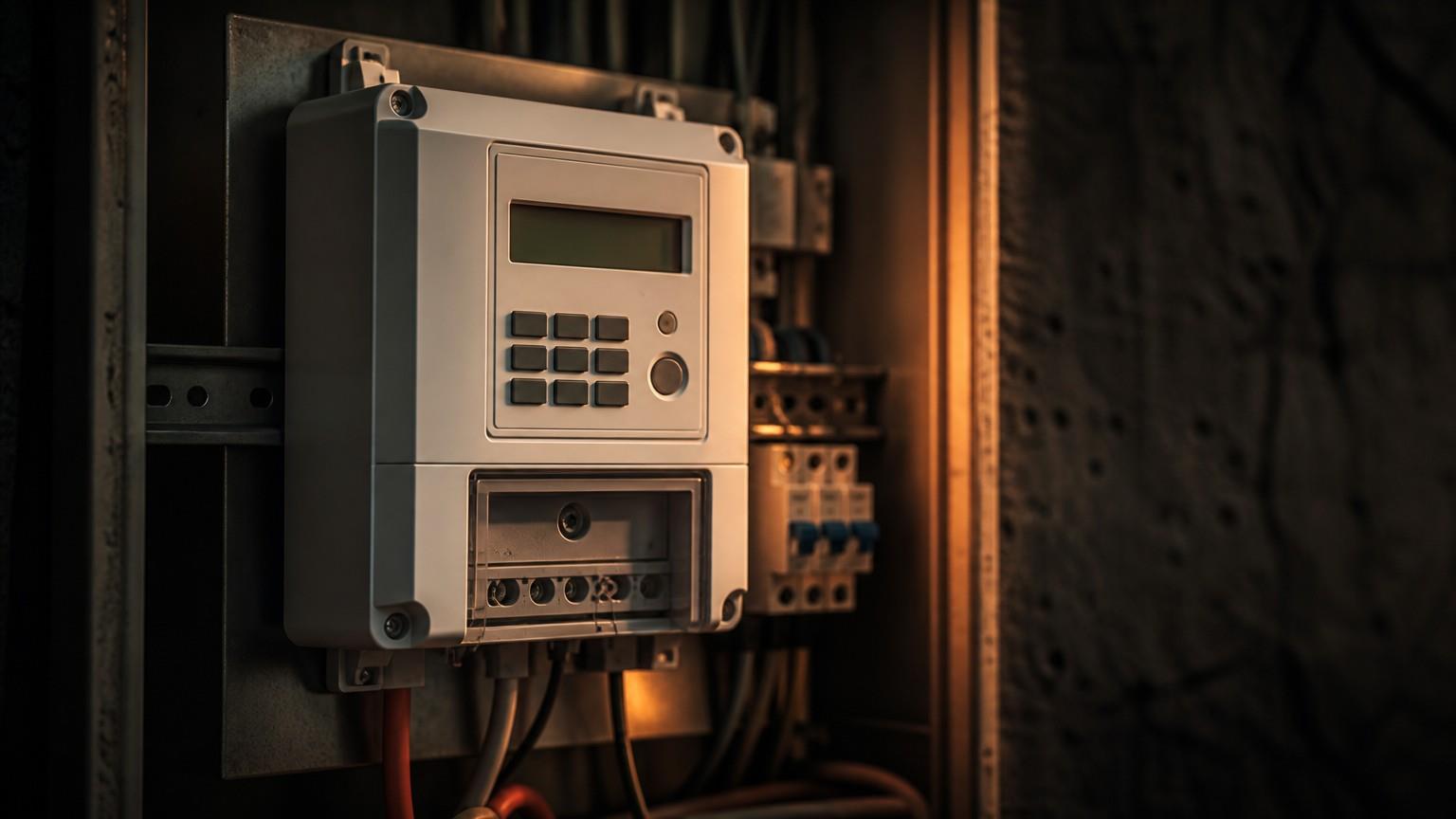
If you’ve ever topped up a phone plan before using it, the idea behind a prepaid meter will feel familiar. Instead of receiving a utility bill after you’ve already used electricity, water, or gas, you pay in advance. The meter then tracks your usage and deducts credit as you consume energy or utilities.
For homes, landlords, property managers, commercial buildings, and utility providers, prepaid metering can make billing simpler, reduce disputes, and help users stay in control of spending. In this guide, we’ll break down how prepaid meters work, where they’re used, what benefits they offer, and how to choose the right prepaid utility meter for your needs.
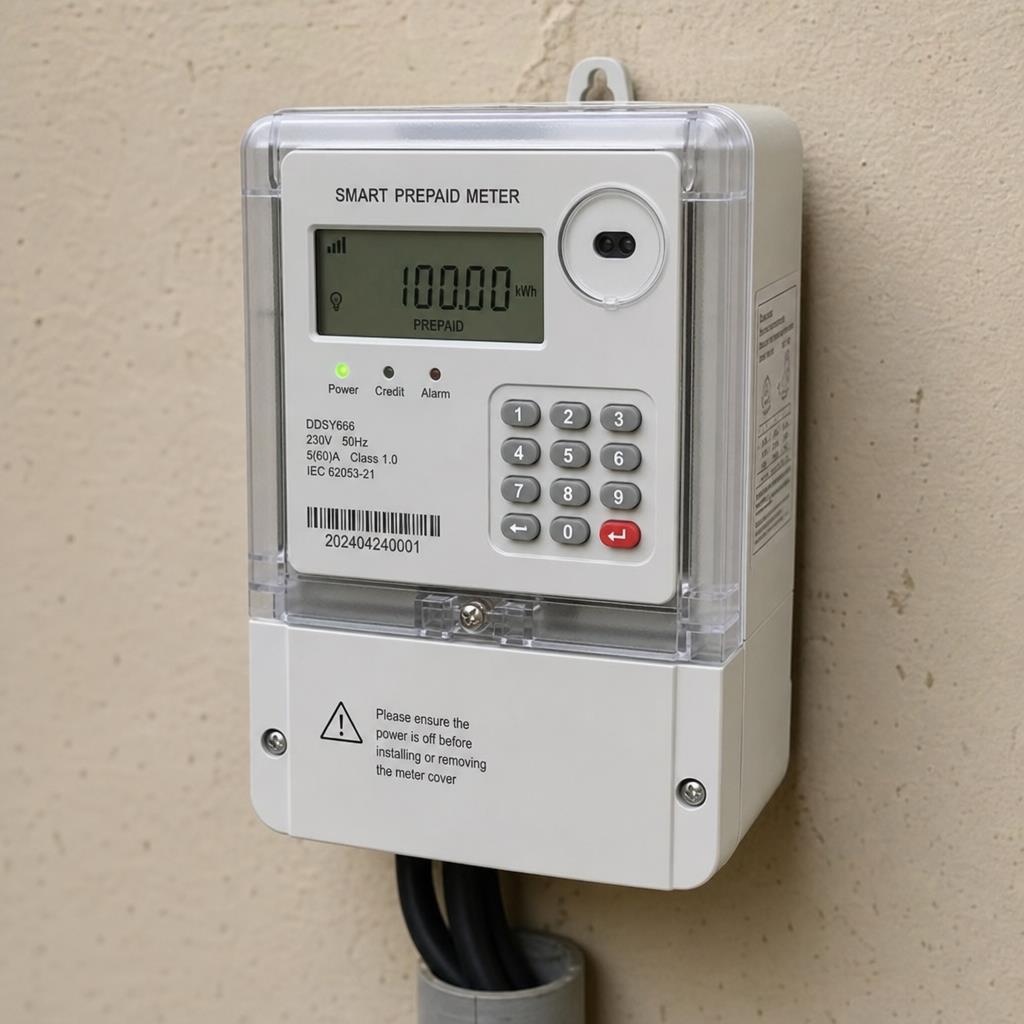
What Is a Prepaid Meter?
A prepaid meter is a utility meter that allows users to pay before consumption. Once credit is loaded onto the meter, the user can consume electricity or another utility until the available balance runs low or reaches zero.
In everyday terms, it works like this:
- The user buys credit.
- The credit is loaded onto the meter.
- The meter measures consumption.
- The balance decreases as energy or utility usage continues.
- When credit is low, the meter warns the user.
- The user tops up again to continue service.
So, when people ask “what is a prepaid meter,” the simple answer is: it’s a pay-before-use metering system that gives both the utility provider and the customer better visibility and control.
What Is a Prepaid Electric Meter?
A prepaid electric meter is a type of prepaid meter designed specifically for electricity usage. It measures how much power a household, apartment, shop, office, or facility consumes, then deducts the cost from the user’s prepaid balance.
You may also hear similar terms, such as:
- Prepaid energy meter
- Prepaid electricity meter
- Smart prepaid meter
- Prepaid utility meter
- Pay-as-you-go electricity meter
These terms are often used interchangeably, although a smart prepaid meter usually includes more advanced communication, monitoring, and remote management features.
How Does a Prepaid Electricity Meter Work?
A prepaid electricity meter works by combining measurement, payment control, and user balance management into one system. Here’s the basic process:
1. Credit purchase
The user purchases electricity credit through an approved channel. Depending on the system, this may be done online, through a mobile app, from a vending point, through a management platform, or directly from a property manager or utility provider.
2. Credit transfer
The purchased credit is transferred to the meter. Some systems use a token code that the user enters manually. More advanced smart prepaid meter systems can update credit remotely through communication networks.
3. Consumption tracking
The meter continuously measures energy usage. Every appliance, light, machine, or device connected to the electrical circuit contributes to consumption.
4. Balance deduction
As electricity is used, the meter deducts the value from the prepaid balance. The user can usually see the remaining credit on the meter display or through a connected system.
5. Low-balance warning
Most prepaid electricity meters provide an alert when credit is almost finished. This helps users recharge before the supply is interrupted.
6. Automatic disconnection and reconnection
If the balance reaches zero, the meter may disconnect the power supply automatically. Once the user tops up, the meter can reconnect service, either automatically or after confirmation depending on the product design.
Why Prepaid Meters Are Becoming Popular
Prepaid metering is popular because it solves a very common problem: utility billing can be messy.
Traditional postpaid billing often involves estimated bills, late payments, manual meter reading, disputes, and collection pressure. A prepaid energy meter changes the model by making payment clear from the start.
For users, it can feel more transparent. For providers, it can reduce unpaid bills. For landlords and commercial property owners, it can make utility cost allocation much easier.
Key Benefits of Prepaid Meters
Better control over spending
A prepaid electricity meter helps users see how much energy they’re using and how much credit remains. This makes it easier to budget, reduce waste, and avoid surprise bills at the end of the month.
Fewer billing disputes
Because usage is measured and deducted in real time, there is less confusion about who used what and when. This is especially useful in rental properties, shared buildings, dormitories, markets, and commercial units.
Improved cash flow for providers
For utility companies, property managers, and private power distributors, prepaid systems help collect payment before consumption. That can reduce overdue accounts and make revenue more predictable.
Easier tenant management
Landlords often deal with unpaid electricity bills after tenants move out. A prepaid utility meter helps prevent that problem because tenants pay for what they use in advance.
Encourages energy saving
When people can see their balance going down, they naturally become more aware of usage. That awareness can encourage smarter habits, like turning off unused lights or choosing more efficient appliances.
Convenient remote management
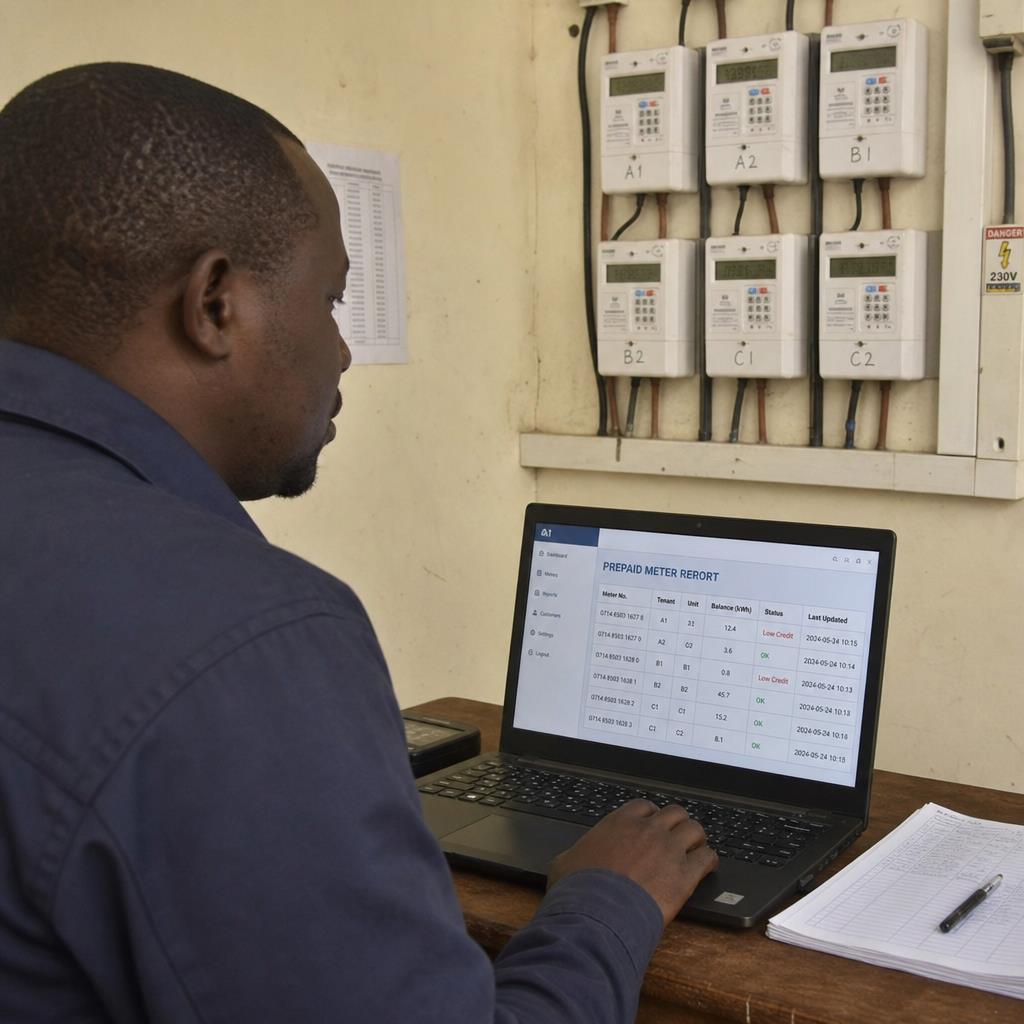
A smart prepaid meter may support remote top-up, remote reading, remote disconnection, data reporting, and usage monitoring. This is especially valuable for large properties or distributed installations.
Where Can Prepaid Meters Be Used?
Prepaid meters are flexible and can be used in many environments, including:
- Residential homes
- Apartment buildings
- Rental rooms and hostels
- Shopping centers
- Office buildings
- Industrial parks
- Student housing
- Markets and kiosks
- Temporary construction sites
- Rural electrification projects
- Private utility networks
A prepaid electric meter is especially useful anywhere multiple users consume electricity under one main supply and the owner needs a fair, practical way to manage cost recovery.
Prepaid Meter vs Traditional Postpaid Meter
A traditional postpaid meter records usage first, then the customer receives a bill later. A prepaid meter reverses that process: the customer pays first, then uses the utility.
The postpaid model can work well for stable utility networks, but it often requires billing departments, manual collection, credit risk, and follow-up on unpaid accounts.
The prepaid model is more direct. Users stay aware of their balance, providers reduce collection problems, and usage is easier to manage.
That said, the best choice depends on the application. For many landlords, commercial facilities, and local utility operators, prepaid metering is often the more practical option because it simplifies operations. For a side-by-side comparison of the two models, see our guide on prepaid vs postpaid electricity meters.
What Makes a Smart Prepaid Meter Different?
A smart prepaid meter does more than measure usage and deduct credit. It can communicate data, support remote control, and integrate with software platforms.
Common smart features may include:
- Remote credit recharge
- Real-time or scheduled data reading
- Low-balance alerts
- Tamper detection
- Remote disconnect and reconnect
- Usage reports
- Multi-user management
- Integration with payment systems
- Mobile or web platform access
For businesses, this is where prepaid metering becomes more than just hardware. It becomes a complete management system.
Important Features to Look For
If you’re comparing prepaid electricity meter options, don’t choose based only on price. The right meter should be reliable, accurate, easy to manage, and suitable for your installation environment.
Accurate measurement
Accuracy is the foundation of any meter. A good prepaid energy meter should measure consumption clearly and consistently.
Easy top-up method
The recharge process should be simple for users. If topping up is difficult, you’ll face more support requests and complaints.
Clear display
Users should be able to check their remaining balance, usage information, and alerts without confusion.
Strong anti-tamper protection
For rental, commercial, and public-use environments, anti-tamper features are very important. They help protect revenue and discourage unauthorized interference.
Reliable communication
For smart prepaid meter systems, communication stability matters. Choose a solution that fits your site conditions and management needs.
Scalable management
If you manage more than a few meters, you’ll want a system that can grow with you. Centralized management saves time and reduces manual work.
Quality support
A prepaid utility meter is a long-term infrastructure product. Choose a supplier that can support product selection, installation guidance, and after-sales service.
Who Should Consider Prepaid Electric Meters?
Prepaid meters are a strong option for anyone who needs better control over electricity billing and usage. They are especially useful for:
- Landlords who rent rooms, apartments, or shops
- Property managers handling multiple tenants
- Utility providers looking to reduce arrears
- Businesses operating shared electrical infrastructure
- Developers building apartments or commercial spaces
- Campuses, dormitories, and worker housing
- Rural power projects and mini-grid operators
If you regularly deal with unpaid bills, unclear usage, tenant disputes, or manual meter reading, a prepaid electricity meter may be a practical upgrade.
Common Questions About Prepaid Meters
Does a prepaid meter help reduce electricity bills?
The meter itself does not magically reduce the electricity rate, but it helps users understand and manage consumption. Better awareness often leads to better energy-saving habits.
What happens when credit runs out?
In many systems, the meter disconnects supply when credit reaches zero. Most meters provide low-balance warnings before this happens, giving users time to recharge.
Can prepaid meters be used for businesses?
Yes. Prepaid meters are widely used in shops, offices, markets, industrial rental units, and commercial buildings where separate billing is needed.
Is a smart prepaid meter worth it?
If you manage multiple users or locations, smart features can save a lot of time. Remote monitoring, remote recharge, and automated management can make operations much easier.
Choosing the Right Prepaid Meter Supplier
The best prepaid meter is not just a device. It should be part of a dependable metering solution.
Before choosing a supplier, consider:
- Product quality and reliability
- Meter type and technical suitability
- Smart management features
- Ease of installation
- Payment and recharge options
- Support for your project size
- Long-term service and availability
A good supplier should help you match the product to your real use case instead of pushing a one-size-fits-all option.
Ready to Explore Prepaid Meter Solutions?
Whether you’re managing rental units, commercial properties, utility customers, or a private power network, the right prepaid electricity meter can make energy management simpler, clearer, and more profitable.
Yomin Electric manufactures STS-compliant prepaid meters, smart prepaid meter solutions, and prepaid utility meter products for projects of every size — view the prepaid meter range or ask our engineers which model fits your application.
Need Help Choosing the Right Product?
Our engineers can recommend the exact model, rating and configuration for your project. Tell us your requirements and get a factory-direct quote within 24 hours.