How Do Electricity Meters Work? A Simple Guide for Everyone
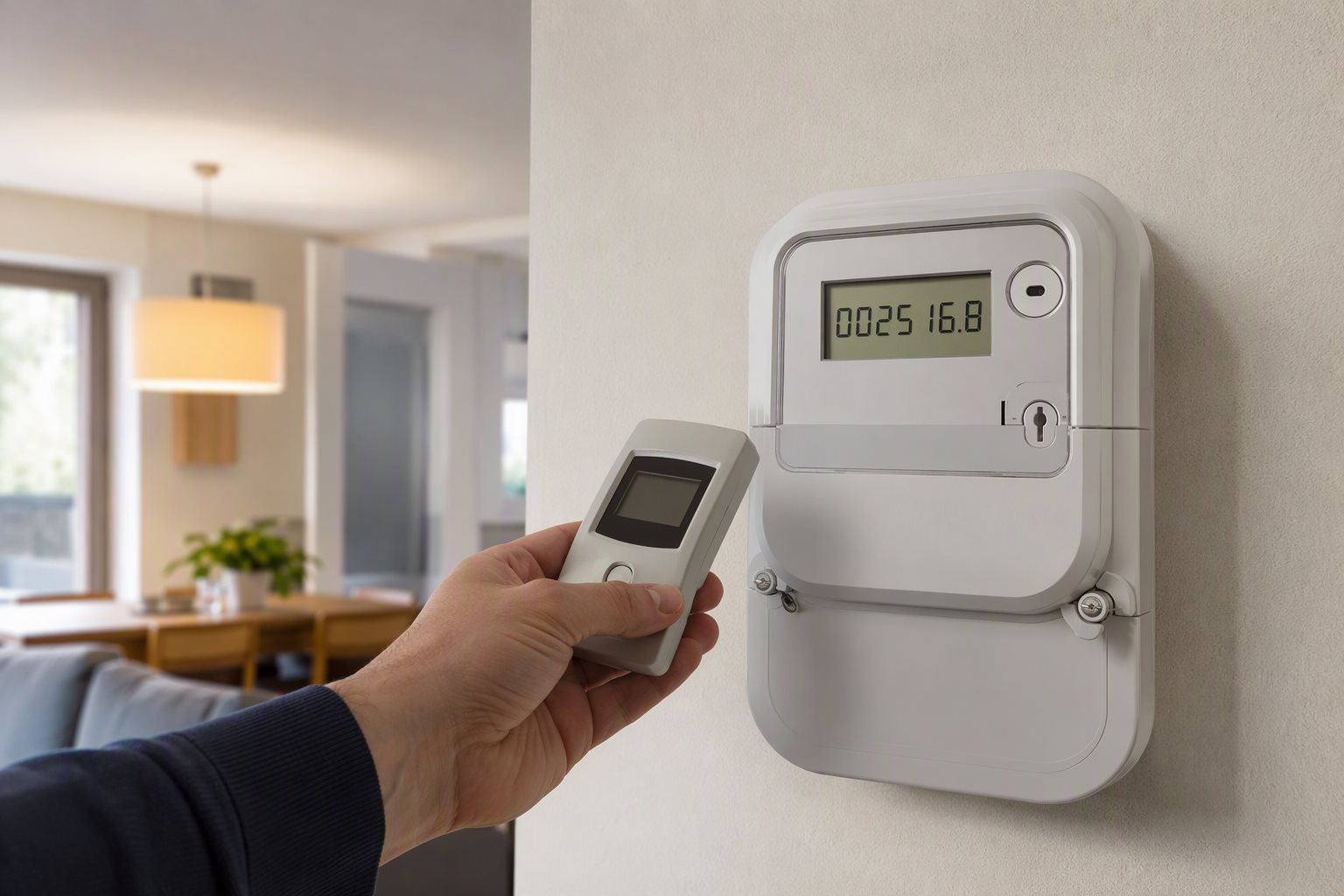
Every time you switch on a light, charge a phone, or run a refrigerator, something quietly counts the energy you use: the electricity meter. It sits on your wall, often forgotten, yet it decides how much you pay on every bill. This guide explains how electricity meters work in plain language — no engineering degree required.
Whether you are a homeowner, a landlord, a student, or a business owner, understanding your meter helps you read your bill correctly, spot waste, and choose the right meter when it is time to buy one.
What Is an Electricity Meter?
An electricity meter is a device that measures how much electrical energy passes through it into a home or building. Think of it like the water meter on your street: the water company measures how much water flows into your house, and you pay for what you used. The energy meter does the same for electricity.
The unit of measurement is the kilowatt-hour (kWh). Your electricity bill is simply the number of kilowatt-hours you used, multiplied by the price your supplier charges per unit.
How Does an Electricity Meter Measure Energy?
Here is the key idea: energy is power multiplied by time. A meter constantly watches two things:
- How much power you are drawing at this moment (measured in watts or kilowatts).
- How long you draw it (measured in hours).
Multiply the two and you get energy. For example, a 1,000-watt (1 kW) heater running for one hour uses 1 kWh of electricity. Run it for 10 hours and you have used 10 kWh. That is all a meter really does — it keeps a running total of every kilowatt-hour that flows through it, just like a car odometer keeps a running total of distance.
The Main Types of Electricity Meters
1. Traditional mechanical meters
Older meters have a spinning metal disc. The disc spins faster when you use more power, and the gears turn dials that record your total usage. They are simple and reliable, but they can only measure total consumption — a person must read them in person.
2. Electronic (digital) meters
Modern digital meters replace the spinning disc with an electronic circuit and an LCD display. They are more accurate, easier to read, and can record extra information such as time-of-use tariffs. Most DIN-rail energy meters used in panels and distribution boards today are electronic.
3. Smart meters
Smart meters are electronic meters that communicate. They send readings to the utility automatically and can show you your usage in real time on an app or display. To learn more, read our guide: what smart meters do and how they save money.
Why Accurate Metering Matters
A meter that measures correctly protects everyone. For families, accurate metering means fair bills — you pay exactly for what you used, not more. For utilities and energy resellers, accurate meters prevent revenue loss and make it easy to detect theft or tampering. For landlords with multiple apartments, individual meters mean each tenant pays for their own use, which reduces conflict and waste.
Accurate metering is also the foundation of modern energy management. When you can see exactly how much each appliance uses, you can make small changes that add up to real savings on your electricity bill.
How to Choose the Right Energy Meter
Whether you are building a new home, upgrading an old meter, or buying meters for a project, consider these points:
- Single-phase or three-phase: Homes usually use single-phase meters; factories and large commercial buildings use three-phase.
- Accuracy class: Class 1 is standard for homes. Class 0.5 or better is preferred for billing-sensitive or industrial applications.
- Prepaid or postpaid: Prepaid meters let users pay before using — ideal for rental properties and utility companies. See our comparison: prepaid vs postpaid meters.
- Communication: If you need remote reading or integration with building systems, choose a meter with RS485, MODBUS, or Wi-Fi connectivity.
- Certification: Look for meters tested to international standards such as IEC 62053 with CE marking, which guarantees quality and safety.
For a detailed breakdown of meter types and technologies, see our energy meter types guide, or browse our full range of CE-certified energy meters.
Frequently Asked Questions
What is a kilowatt-hour (kWh)?
A kilowatt-hour is a unit of energy. If you run a 1,000-watt appliance for one hour, you have used one kilowatt-hour of electricity. It is the unit your electricity bill is calculated from.
How do I read my electricity meter?
Look at the digital display on your meter. The number shown is the total energy used in kilowatt-hours (kWh). To find your usage for a period, subtract the reading from the previous month from the current reading.
What does accuracy class 1.0 or 0.5 mean?
Accuracy class describes how close the meter's measurement is to the true value. A Class 1 meter has a maximum error of 1 percent; a Class 0.5 meter is limited to 0.5 percent. Higher accuracy matters for billing and large energy users.
Can one meter measure electricity from solar panels?
Yes. Bidirectional meters measure both energy drawn from the grid and energy exported back to it — this is how net metering works for solar systems. Learn more in our solar power beginners guide.
Looking for Reliable Energy Meters?
We manufacture and export DIN-rail energy meters, smart meters, and prepaid meters — CE certified, trusted in 95+ countries.
Request a Quote →