Prepaid vs Postpaid Electricity Meters: Which One Is Better for You?
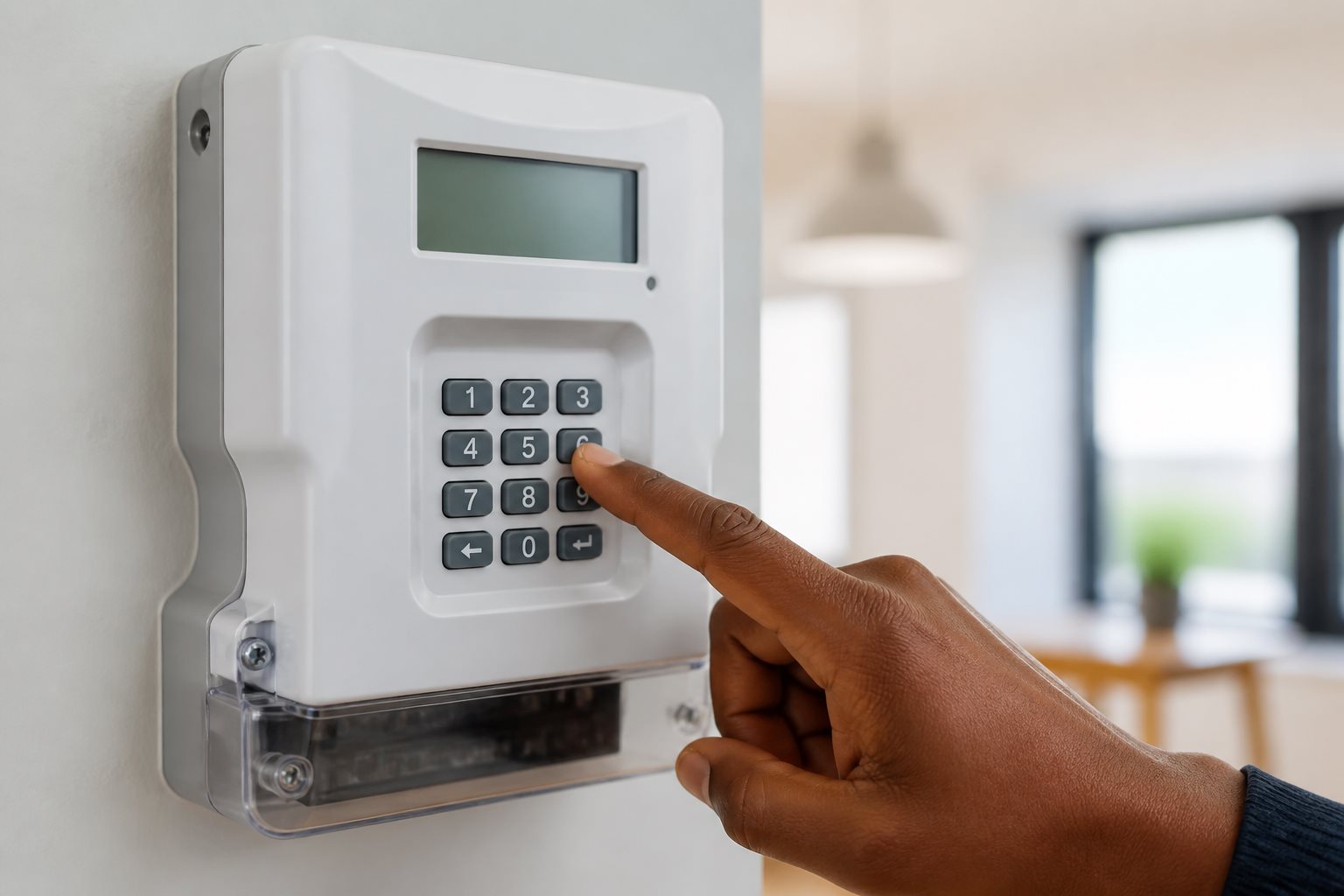
If you have ever wondered why your neighbor tops up electricity like a phone card while you pay a monthly bill, you have already met the two big families of electricity meters: prepaid and postpaid. Both measure the same electricity, but they change who pays first, how bills are handled, and who carries the risk.
This guide compares them fairly so you can decide which one fits your home, your rental property, or your utility operation.
What Is the Difference Between Prepaid and Postpaid Meters?
Think of it like a phone plan. Postpaid is the traditional "pay at the end of the month" model: you use electricity, the utility reads the meter, sends you a bill, and you pay. Prepaid is the "top-up first" model: you buy credit in advance — often with an STS token — enter it into the meter, and the meter deducts from that balance as you use power.
The difference sounds small, but it changes daily life: prepaid users always know exactly how much energy they have left, while postpaid users discover their usage after the fact. Both systems are widely used around the world — postpaid is still the default in many countries, while prepaid has become the standard for millions of homes in Africa, Asia, and the Middle East.
How Prepaid Electricity Meters Work
Most prepaid meters follow a simple loop:
- You buy credit at a shop, bank, or mobile payment app.
- The system generates a secure STS token — a long number that only your meter can accept.
- You type the token into the keypad on the meter, and the credit is added.
- The meter counts down your balance as you use electricity, showing the remaining credit on its display.
When the balance reaches zero, the meter disconnects the supply automatically. No field visits, no disconnection crews, no unpaid bills. That is why utilities and landlords love prepaid — it removes the entire problem of collecting money after use. To understand the measuring core behind these meters, see how electricity meters work.
Pros and Cons of Prepaid Meters
Prepaid meters — the good
- Full control: users always see their remaining balance.
- No surprise bills — you only use what you have paid for.
- Zero collection costs for landlords and utilities.
- Simple disconnection — no technician needed for non-payment.
- Great for rentals — every tenant pays their own power.
Prepaid meters — the trade-offs
- Interruption risk: power stops when credit runs out, even at night.
- Top-up dependency: users must plan ahead and find a vendor.
- Hardware cost is slightly higher than a basic meter.
- Less flexibility for time-of-use tariffs in some models.
Pros and Cons of Postpaid Meters
Postpaid meters — the good
- Never cut off because of an empty balance.
- Familiar billing — one monthly or bi-monthly invoice.
- Simple to operate — no tokens or keypads.
- Flexible tariffs — time-of-use and tiered pricing are easy.
Postpaid meters — the trade-offs
- Late and unpaid bills become a real problem for suppliers.
- Manual reading costs time and money.
- Disputes over estimated bills are common.
- Hard to split costs in shared buildings.
Which One Should You Choose?
- Homeowner who wants convenience: postpaid is simple and familiar, especially with smart meters that read themselves automatically.
- Landlord with rented rooms or apartments: prepaid is the clear winner. Each tenant manages their own credit, and disputes about shared bills disappear.
- Utility company: prepaid eliminates collection losses and is a proven way to improve revenue in areas with low bill payment rates.
- Business or factory: postpaid with three-phase metering is standard, though prepaid options exist for smaller commercial users.
Many modern prepaid meters are hybrid — they can switch between prepaid and postpaid modes through software, so your choice today does not lock you in forever. Whichever path you take, accuracy and certification matter equally. Look for meters built to IEC 62053 with STS compliance for prepaid models, and CE certification for international use.
Frequently Asked Questions
Can a prepaid meter be switched back to postpaid?
In most cases yes, but it depends on the utility company's policy and the meter hardware. Many prepaid meters support both modes, so the switch is done through software configuration rather than replacing the meter.
What happens when prepaid electricity credit runs out?
When the credit balance reaches zero, the meter automatically disconnects the supply. Once the user buys a new token and enters it, the power is restored, usually within seconds.
Do prepaid meters cost more than postpaid meters?
The meter hardware can cost slightly more, but prepaid systems reduce collection costs, unpaid bills, and disputes, which often makes total costs lower for utilities and landlords in the long run.
Are prepaid electricity meters accurate?
Yes. Prepaid meters use the same metering technology as postpaid meters and are tested to the same international accuracy standards, such as IEC 62053. The prepaid function only controls credit, not the accuracy of measurement.
Planning a Prepaid Metering Project?
We supply STS-compliant prepaid meters, keypad models, and complete vending solutions for utilities and property developers.
Request a Quote →