Smart Meters Explained: What They Do and How They Save You Money
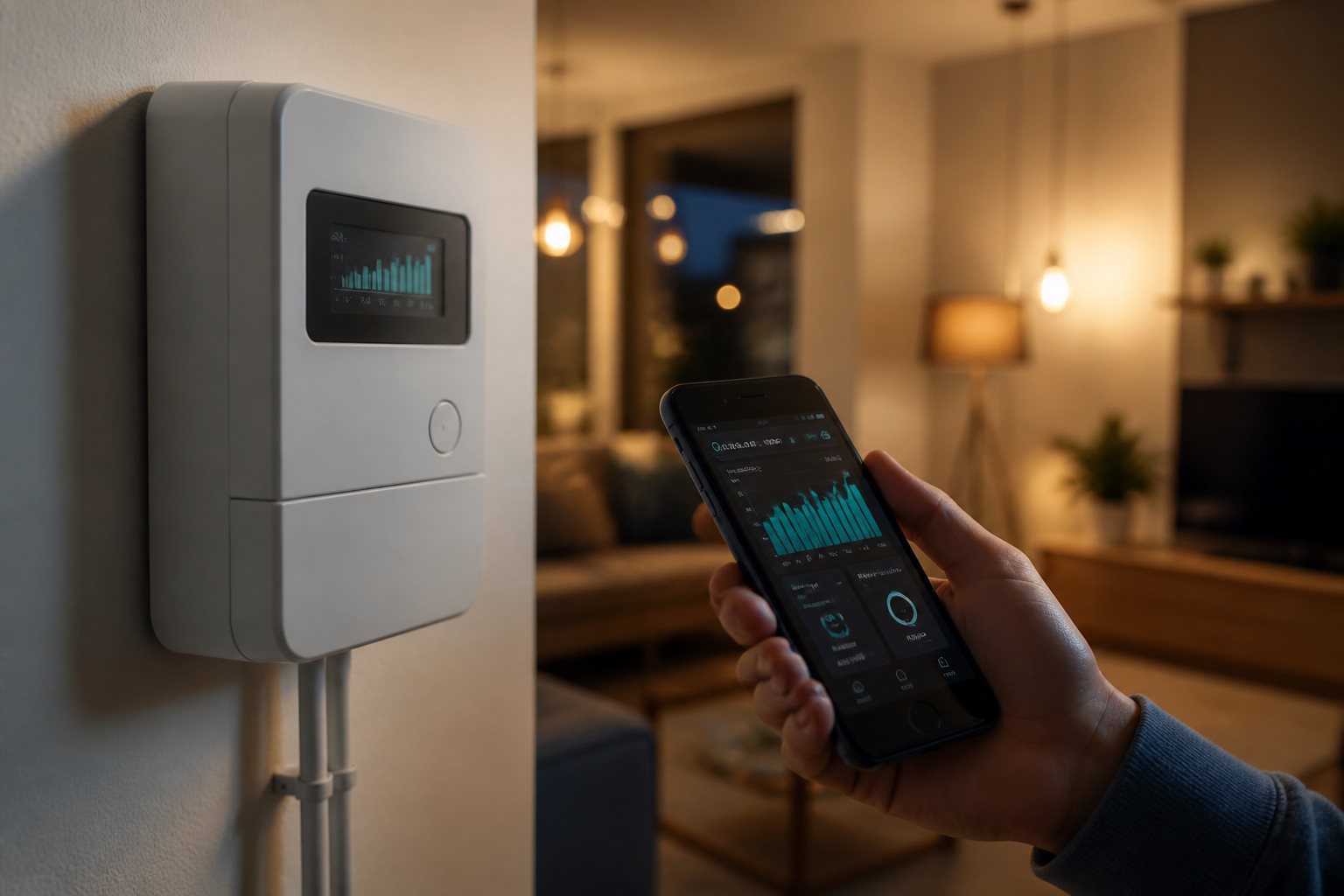
Governments, utilities, and families around the world are replacing old electricity meters with smart meters — and the change is much bigger than it looks. A smart meter is not just a newer way to count kilowatt-hours; it is a communication device that turns a passive box on the wall into the heart of a modern, efficient energy system.
Here is what a smart meter actually does, why utilities are installing millions of them, and why they are good news for your wallet.
What Is a Smart Meter?
A smart meter is an electronic electricity meter that can send and receive data automatically. Like any electricity meter, it measures how much energy you use. What makes it "smart" is the communication module: it reports your usage to the utility without anyone visiting your home, and it can receive commands back.
Smart meters record not only total usage but also details like usage by time of day, voltage quality, and even power outages — information that helps utilities run the grid better and helps you understand your own consumption.
How Do Smart Meters Work?
Inside, a smart meter has three parts: a measuring core (the same proven technology used in digital meters), a small computer, and a communication module. The module can use different networks depending on the model and region:
- Mobile networks (2G/4G/NB-IoT) — the meter sends readings like a phone sends messages.
- Power-line communication — data travels through the existing electricity cables.
- Wired RS485/MODBUS — common in buildings, factories, and data centers.
- Wi-Fi or Zigbee — used in home smart-meter systems.
Readings flow to the utility automatically — typically several times a day — and you can often see your usage in real time on an app or an in-home display. Many models also work as prepaid meters, so utilities can top up or disconnect accounts remotely.
The Benefits for Homes and Families
- Accurate bills, every time. No more estimated readings or "surprise" invoices — you pay for exactly what you used.
- Real-time awareness. Seeing your usage live changes behavior. Studies consistently show that people who can see their consumption use less energy.
- Faster problem detection. Smart meters can alert you and the utility to unusual usage, helping catch faults early.
- Solar ready. Bidirectional smart meters support net metering, so when you install solar panels, the meter is usually already able to handle it.
The Benefits for Utilities and Businesses
- No more manual reading. Meter readers, travel costs, and human errors disappear.
- Instant outage detection. The utility knows exactly where power is out — often before customers call.
- Revenue protection. Remote monitoring makes tampering and theft far easier to spot.
- Demand management. With usage data, utilities can encourage off-peak consumption and keep the grid stable as electric vehicles and heat pumps grow.
Common Worries About Smart Meters
"Will the utility know what I do inside my house?" No. Smart meters measure total electricity use — the same information an old meter shows on its dial — not what individual appliances do. A smart meter cannot tell whether you are watching TV or running a dishwasher.
"Are they safe?" Smart meters transmit at very low power for only seconds a day — far less than a mobile phone, and using approved, regulated standards. They must also pass the same safety and accuracy tests as traditional meters.
"Will my bill go up?" A meter cannot change how much electricity you use — it only measures it more accurately. If your old meter was under-recording, your first bills may be higher than before, but most households save money once they can see and control their usage.
Smart Meter or Traditional Meter: Which One?
For new homes, building upgrades, and any project that may add solar, electric vehicles, or remote management later, a smart meter is the far-sighted choice. It costs only a little more than a basic digital meter and protects the value of your installation for years. For the simplest installations — a small shop, a single apartment, no future plans — a standard DIN-rail energy meter remains a perfectly good, economical option.
Frequently Asked Questions
Do smart meters need Wi-Fi?
Not necessarily. Smart meters can send data over mobile networks, power-line communication, or wired RS485/MODBUS connections. Wi-Fi is just one of several options, depending on the model and the utility's network.
Are smart meters safe?
Yes. Smart meters transmit at very low power, for a few seconds per day, using approved communication standards. They must also pass the same electrical safety and accuracy tests as traditional meters.
Can a smart meter be used for prepaid electricity?
Yes. Many smart meters combine remote reading with prepaid capability, allowing utilities to top up accounts remotely or through STS tokens without visiting the site.
Will my electricity bill go up with a smart meter?
A smart meter does not change how much electricity you use — it only measures it more accurately. If your old meter was under-recording, your bill may become more accurate, and most users find savings through better awareness of their usage.
Planning a Smart Metering Rollout?
We manufacture smart meters with RS485, MODBUS, Wi-Fi, and 4G/NB-IoT options — ready for AMI systems worldwide.
Request a Quote →