What Is a Prepaid Meter?
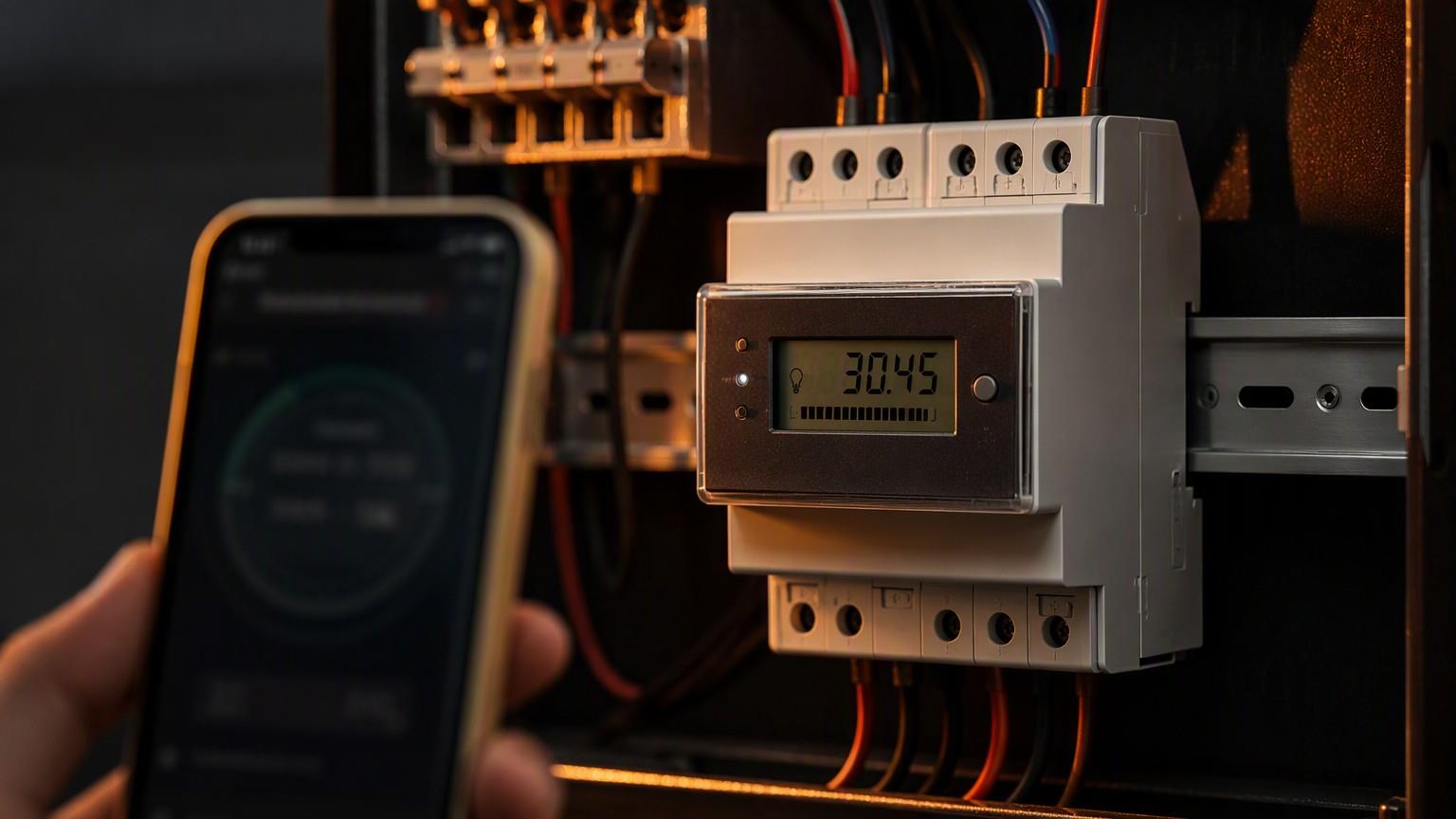
If you’ve ever topped up a mobile phone before using it, the idea behind a prepaid utility meter will feel pretty familiar. Instead of receiving a bill after using electricity, water, or gas, users load credit first and then consume against that balance. When the credit runs low, the meter alerts the user. When the credit runs out, supply may be limited or disconnected depending on how the system is configured.
For homes, rentals, commercial buildings, factories, student housing, and managed properties, prepaid utility meters can make energy use easier to control and easier to pay for. They can also help property owners reduce billing disputes, improve cash flow, and monitor usage more clearly.
This guide explains what is a prepaid meter, how prepaid meters work, where they are used, and what to look for when choosing a prepaid electricity meter or smart prepaid meters for your project.
What Is a Prepaid Meter?
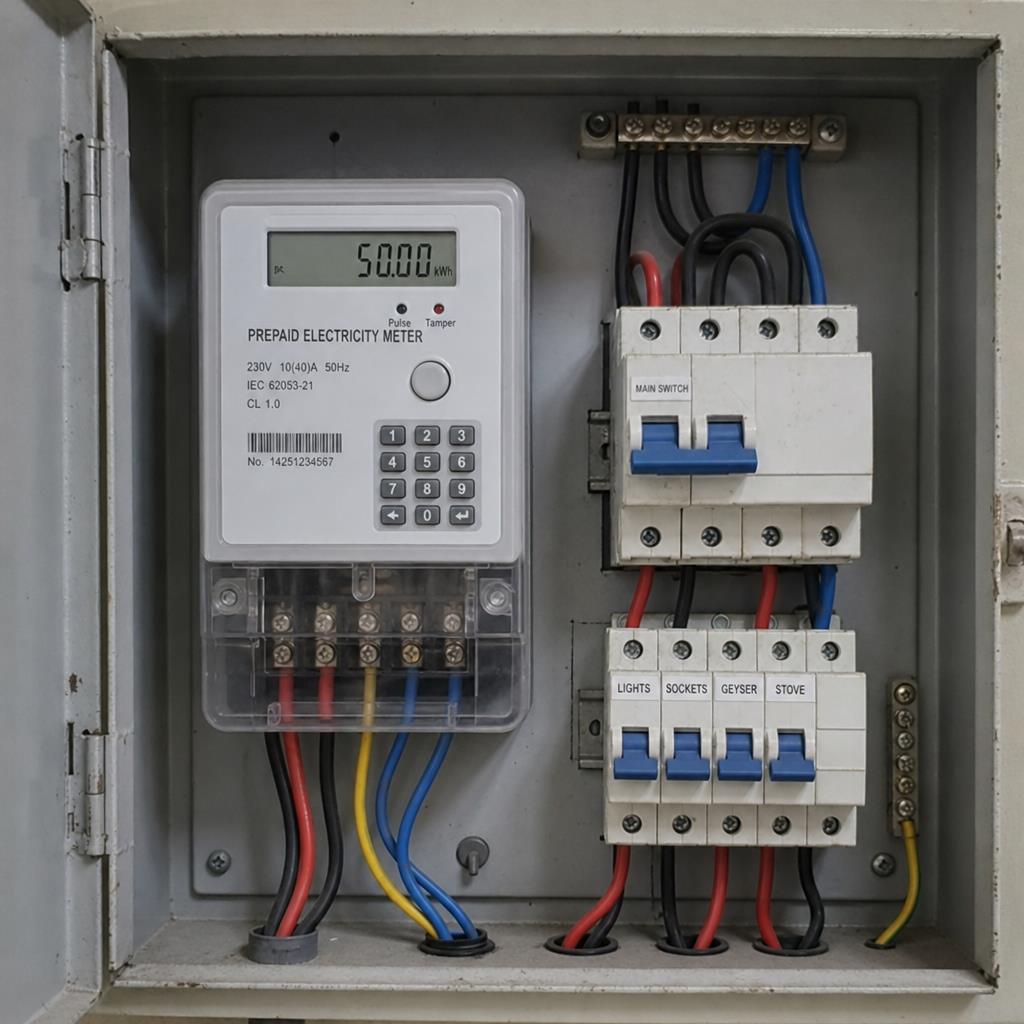
A prepaid meter is a utility meter that allows users to pay for energy or utility service before they use it. Instead of measuring usage for a monthly bill, the meter deducts consumed units from a prepaid credit balance.
In simple terms:
- The user buys credit.
- The credit is loaded into the meter.
- The meter tracks consumption.
- The balance decreases as electricity or another utility is used.
- The user tops up again when the balance gets low.
A prepaid meter can be used for electricity, water, gas, or other measured utilities, but the most common type is the prepaid electricity meter. These meters are widely used in residential buildings, rental properties, apartments, commercial facilities, industrial sites, and energy management systems.
For property managers and energy providers, prepaid metering helps simplify billing. For users, it gives better visibility over daily consumption and spending.
How Prepaid Meters Work
To understand how prepaid meters work, think of the meter as both a measuring device and a credit controller. It measures electricity usage in kilowatt-hours and subtracts the cost or unit amount from the available balance.
A typical prepaid electricity meter system includes:
- The meter itself, installed at the user’s premises
- A top-up method, such as token entry, card recharge, keypad input, mobile recharge, or software platform
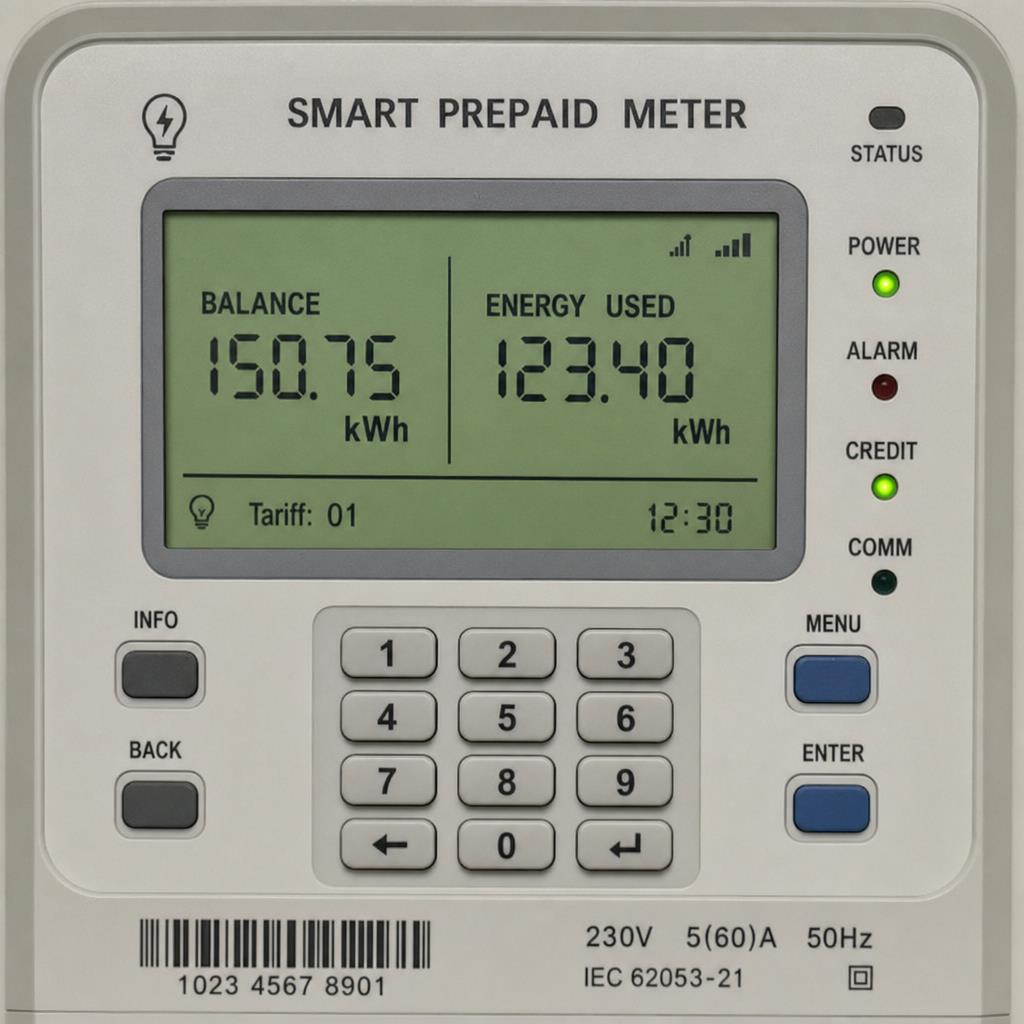
- A display, showing remaining credit, consumption, alerts, and sometimes voltage or current data
- A control function, which can disconnect or restrict supply when credit is exhausted
- Management software, often used by landlords, utilities, or building operators
Depending on the meter model, credit may be added by entering a numeric token, scanning a card, using a communication module, or sending data through a remote platform. Older prepaid meters usually rely on manual recharge tokens or cards. Newer smart prepaid meters can often be monitored and managed remotely.
What Happens When Credit Runs Out?
When the prepaid balance reaches zero, the meter follows its programmed rules. In many systems, electricity is automatically disconnected until more credit is added. Some systems include friendly credit, emergency credit, or non-disconnection periods to prevent unexpected shutoff at night, on weekends, or during specific protected times.
For commercial and rental applications, these settings matter a lot. A landlord, property manager, or facility operator may want flexible controls that balance payment discipline with user convenience.
Useful features can include:
- Low-balance warning
- Emergency credit
- Grace periods
- Holiday or weekend protection
- Remote reconnection
- Tamper alerts
- Usage history
The exact features depend on the meter type and the management system behind it.
Prepaid Meter vs. Traditional Postpaid Meter
A traditional postpaid meter records electricity use first, then the customer receives a bill later. A prepaid meter reverses the process: payment comes first, usage comes after.
With postpaid metering, users may not realize how much energy they are using until the bill arrives. This can lead to surprise costs, delayed payment, or disputes over shared consumption. With prepaid metering, users see their balance decrease in real time, making consumption more visible.
For property owners, postpaid systems often require manual meter reading, invoice preparation, payment collection, and follow-up on unpaid bills. Prepaid utility meters can reduce much of that administrative work, especially in buildings with many tenants. For a direct comparison of the two billing models, see our guide on prepaid vs postpaid electricity meters.
What Is a Smart Prepaid Meter?
A smart prepaid meter is a prepaid meter with digital communication and advanced management features. It does more than simply measure electricity and deduct credit. It can communicate data to a remote system, allowing users or managers to monitor consumption, top up balances, receive alerts, and manage connections more efficiently.
So, what is a smart prepaid meter in practical terms? It is a meter designed for modern energy management. It combines prepaid billing with smart metering functions.
Smart prepaid meters may support features such as:
- Remote credit recharge
- Remote meter reading
- Real-time or near-real-time usage monitoring
- Automatic alerts for low balance or abnormal usage
- Remote connection and disconnection
- Anti-tamper detection
- Multi-tariff settings
- Data reporting for property or facility management
For commercial buildings, apartments, and multi-user facilities, smart prepaid meters can be especially useful because they reduce the need for manual access to each meter.
Main Benefits of Prepaid Utility Meters
Prepaid utility meters are popular because they solve several common problems at once. They are not just about collecting payment early. They also help users and managers understand energy usage better.
Better Cost Control for Users
Users can decide how much credit to buy and can monitor how quickly they consume it. This makes budgeting easier, especially for households, small businesses, workshops, dormitories, and rental units.
When people can see their remaining balance, they often become more aware of appliances, lighting, heating, cooling, and standby power use.
Reduced Billing Disputes
In shared or rented properties, utility bills can easily become a point of conflict. A prepaid electricity meter gives each user a clearer link between their own consumption and their own payment.
This is especially valuable in:
- Apartment buildings
- Rental homes
- Commercial units
- Student accommodation
- Markets and shops
- Office subdivisions
- Industrial parks
Instead of estimating usage or splitting bills unfairly, each meter records actual consumption.
Improved Cash Flow
For property owners and utility operators, prepaid systems help avoid long payment delays. Since users pay before consumption, there is less need to chase overdue bills.
This can be a major advantage for businesses managing multiple tenants or operating facilities where electricity is resold or allocated internally.
Easier Energy Management
Smart prepaid meters can provide useful consumption data. Managers can identify high-usage areas, compare patterns, detect abnormal loads, and plan upgrades more confidently.
Even basic prepaid meters can encourage more responsible energy use because users receive direct feedback through balance and consumption displays.
Lower Manual Work
Prepaid metering can reduce the need for manual readings, handwritten bills, and repeated collection reminders. When paired with software, smart prepaid meters can make energy management much more efficient.
Common Applications of Prepaid Electricity Meters
A prepaid electricity meter can be used anywhere electricity consumption needs to be measured, controlled, and paid for in advance. Some of the most common applications include residential, commercial, and industrial environments.
Rental Properties
Landlords often use prepaid meters to separate tenant electricity usage from the main supply. This makes billing simpler and avoids disputes when tenants move in or out.
Apartments and Multi-Tenant Buildings
In apartment blocks, prepaid utility meters allow each unit to manage its own electricity credit. This is useful when tenants have different usage habits or occupancy schedules.
Commercial Shops and Offices
Shopping centers, office buildings, and small commercial spaces can use prepaid meters to allocate electricity costs fairly to each unit.
Dormitories and Staff Housing
In dorms, hostels, and staff accommodation, prepaid electricity systems can help limit waste and make users more aware of consumption.
Industrial and Workshop Areas
Factories, workshops, and industrial parks may use prepaid or smart meters to track power use by section, tenant, machine group, or department.
Temporary Sites
Construction sites, event spaces, and temporary facilities may benefit from prepaid metering because usage periods are short and billing needs to be simple.
Types of Prepaid Meters
Prepaid meters come in different designs depending on the utility, installation environment, communication method, and management needs.
Keypad Prepaid Meters
These meters allow users to enter a recharge token through a keypad. They are simple, widely used, and suitable for many residential and small commercial applications.
Card-Based Prepaid Meters
Users load credit onto a card, then insert or tap the card on the meter. This type is often used where offline recharge is preferred.
Smart Prepaid Meters
Smart prepaid meters support communication with a central platform. They may use wired or wireless communication depending on the system design. These are ideal when remote monitoring, centralized management, or large-scale deployment is needed.
Single-Phase and Three-Phase Meters
Single-phase prepaid meters are commonly used in homes, small shops, and light-load applications. Three-phase prepaid meters are used for higher-load environments such as commercial buildings, workshops, and industrial facilities.
Choosing between them depends on the electrical supply and load requirements.
Key Features to Look For
When choosing a prepaid electricity meter, the lowest price is not always the best choice. The meter should match your application, installation environment, and long-term management needs.
Important features to consider include:
- Accurate energy measurement
- Suitable voltage and current rating
- Single-phase or three-phase compatibility
- Clear LCD or digital display
- Secure recharge method
- Anti-tamper protection
- Low-credit warning
- Overload protection
- Remote management capability if needed
- Reliable communication for smart systems
- Easy installation and maintenance
- Compatibility with your billing or management process
For commercial projects, it is also worth thinking about scalability. A meter that works for one unit may not be the best option for a building with hundreds of users. If you plan to expand, consider smart prepaid meters that can support centralized control.
Are Prepaid Meters Good for Tenants?
Prepaid meters can be good for tenants when they are installed and managed fairly. Tenants get more control over how much they spend and can avoid surprise electricity bills. They can also see the impact of their usage habits more clearly.
However, the experience depends on the quality of the meter, the recharge process, and the rules set by the property owner or energy manager. A smooth top-up process and clear usage display are important. If users cannot easily recharge or check balance, the system becomes frustrating.
For best results, tenants should be given simple instructions explaining:
- How to check remaining credit
- How to recharge
- What warning signals mean
- What happens when credit runs out
- Who to contact for support
A prepaid system works best when it feels transparent and easy to use.
Are Prepaid Meters Good for Property Owners?
For property owners, prepaid utility meters can be a practical investment. They help reduce unpaid utility bills, simplify tenant turnover, and create a clearer payment process.
Instead of manually collecting utility charges after consumption, property owners can let each tenant manage their own balance. This is especially helpful in properties where tenants have different usage levels.
Commercially, prepaid metering can support:
- Better revenue protection
- Lower administrative workload
- Faster payment cycles
- Fewer billing disagreements
- More transparent tenant management
- Better consumption tracking
For larger properties, smart prepaid meters add another layer of control through remote monitoring and centralized management.
Things to Consider Before Installation
Before installing prepaid meters, it is important to review the electrical setup and management goals. The right solution depends on the site.
Ask these questions before choosing a meter:
- Is the supply single-phase or three-phase?
- What is the expected maximum load?
- How many users or units need meters?
- Will users recharge manually or remotely?
- Is remote monitoring required?
- Are tamper alerts important?
- Will the system need to expand later?
- Who will manage credit, reports, and user support?
- What installation space is available?
- Are there local electrical standards or utility requirements to follow?
A qualified electrician or project engineer should always review the installation requirements. Meter selection should match the load, wiring, protection devices, and local regulations.
Smart Prepaid Meters and the Future of Energy Management
Energy management is becoming more digital, more data-driven, and more user-focused. Smart prepaid meters fit into this trend because they combine payment control with useful consumption data.
For building owners, this means better visibility. For users, it means more control. For energy managers, it means fewer manual tasks and more accurate information.
As more properties move toward smart buildings and automated utility management, smart prepaid meters are becoming a practical choice for both new projects and upgrades.
How to Choose the Right Supplier
The meter itself matters, but so does the supplier behind it. A good supplier should help you choose the correct model for your application instead of offering a one-size-fits-all answer.
Look for a supplier that can provide:
- A range of energy meter options
- Clear product specifications
- Support for single-phase and three-phase applications
- Guidance for prepaid or smart prepaid systems
- Reliable product quality
- Practical technical support
- Solutions for residential, commercial, and industrial use
If you are buying for a project, share details such as voltage, current, installation type, quantity, communication needs, and management goals. The more accurate your project information is, the easier it is to choose the right prepaid meter.
Final Thoughts
Prepaid meters are a practical way to manage electricity and utility usage before costs become a problem. They help users control spending, help property owners reduce billing headaches, and help businesses monitor energy consumption more clearly.
A basic prepaid electricity meter may be enough for a small rental unit or shop. For larger buildings, multi-tenant properties, and commercial projects, smart prepaid meters can provide more flexibility through remote recharge, monitoring, alerts, and centralized management.
If you are planning a metering upgrade or sourcing prepaid utility meters for a project, browse our energy meter products and choose the right meter for your next residential, commercial, or industrial project. For a shorter introduction to prepaid billing, start with What Is a Prepaid Meter?; Yomin Electric’s engineers can also help you match the right meter to your site.
Need Help Choosing the Right Product?
Our engineers can recommend the exact model, rating and configuration for your project. Tell us your requirements and get a factory-direct quote within 24 hours.